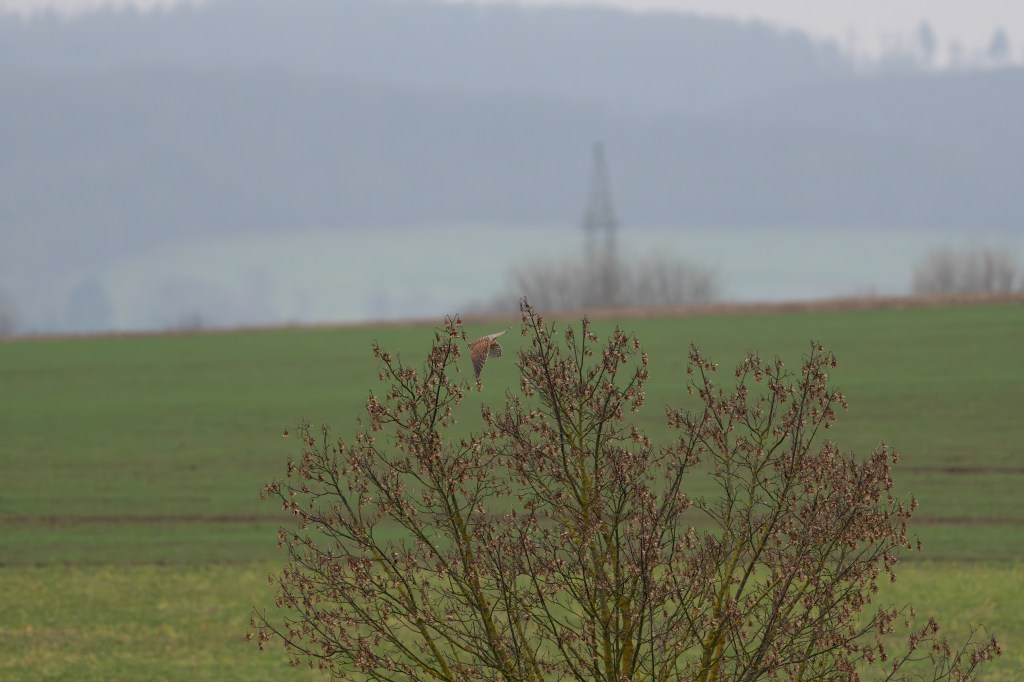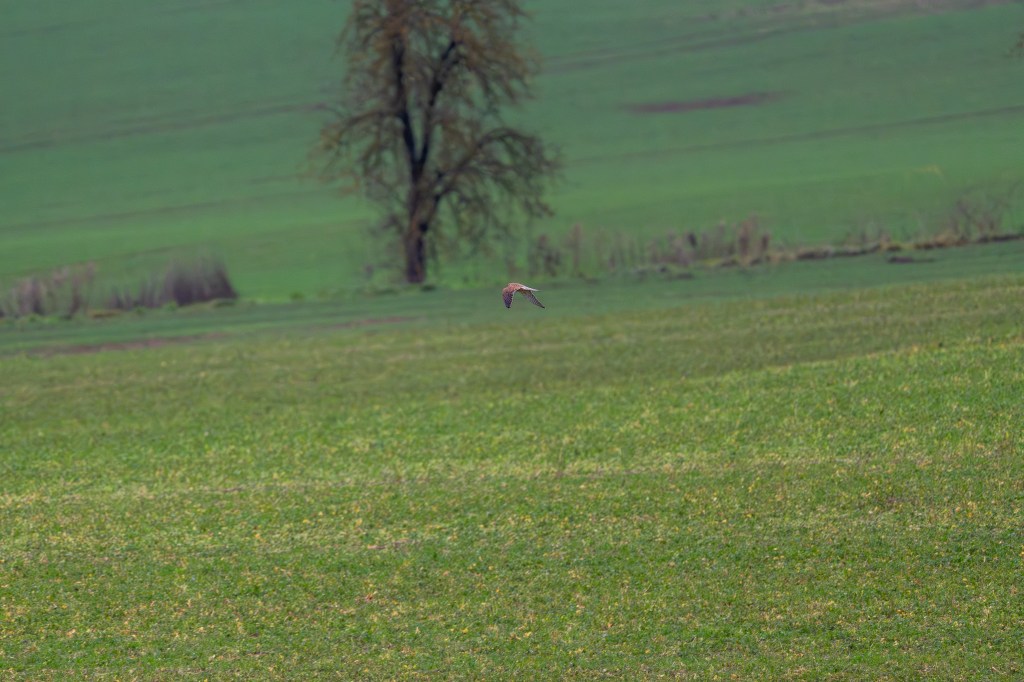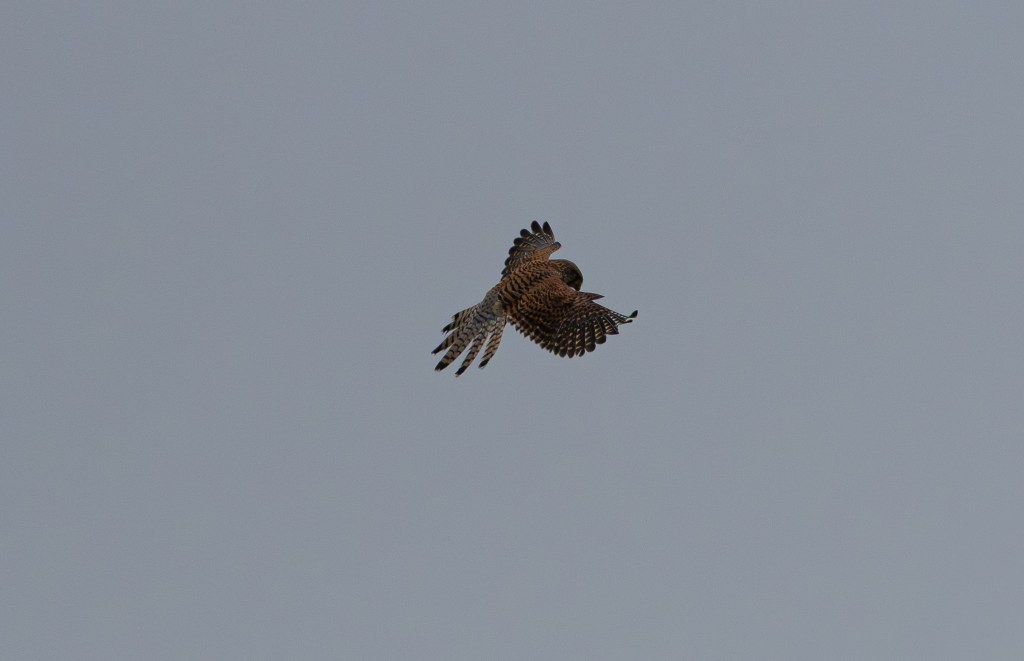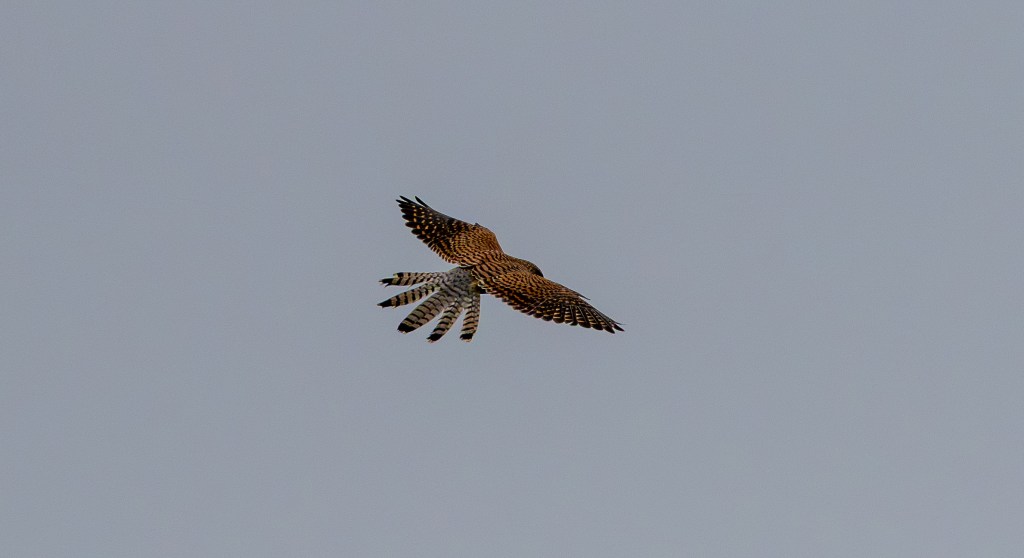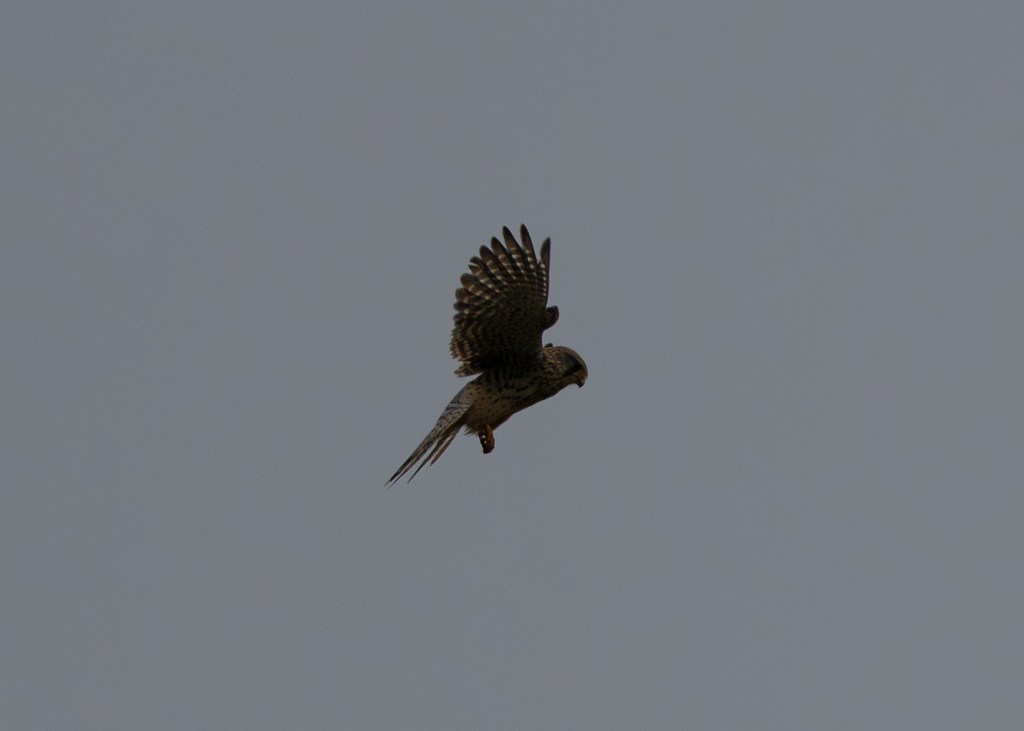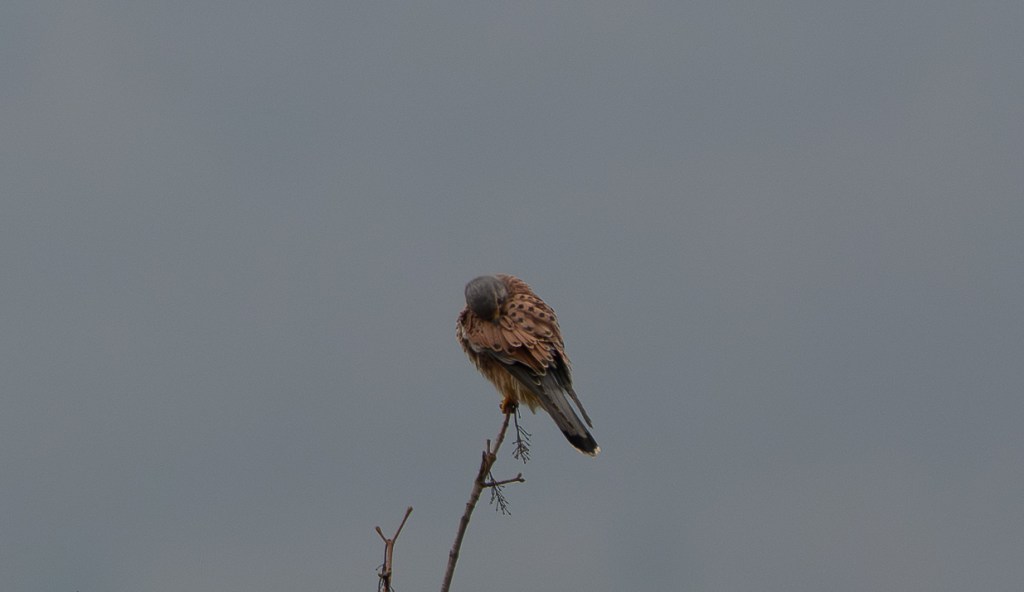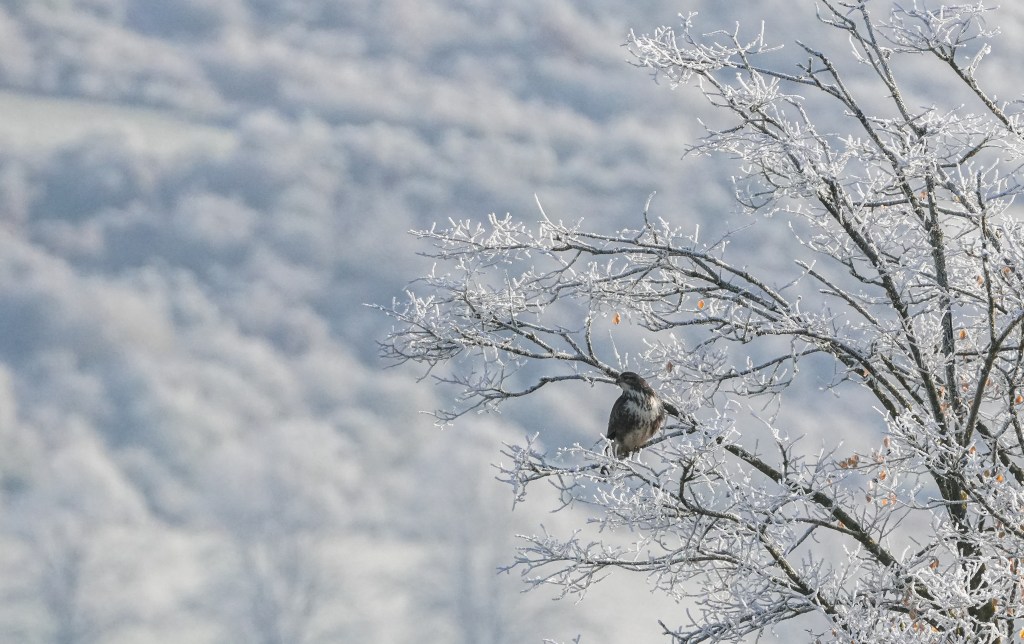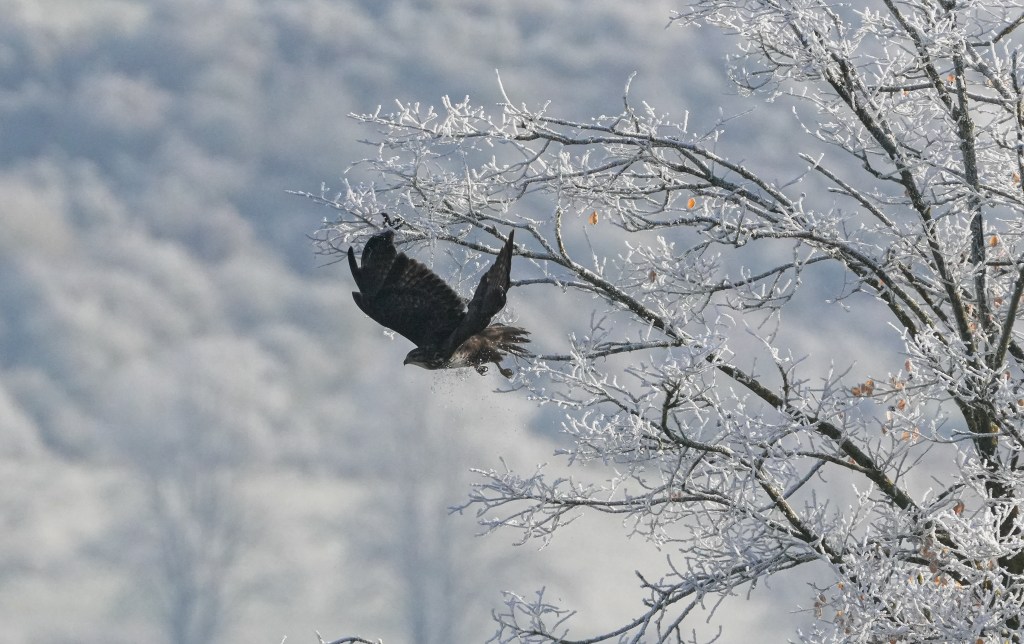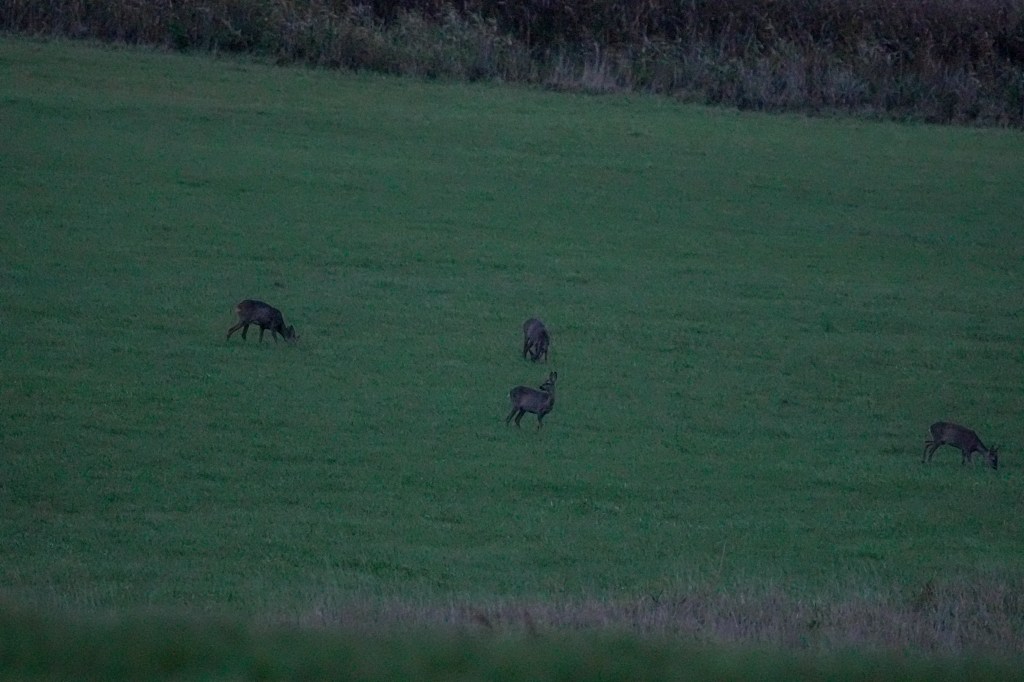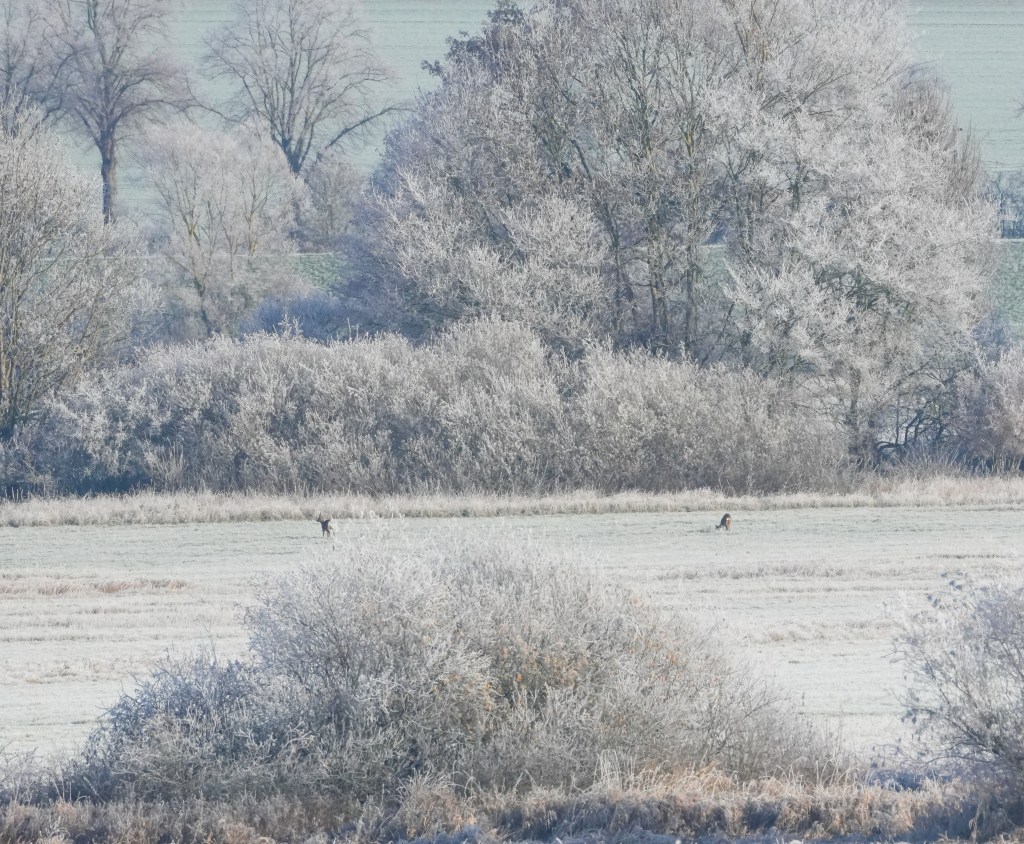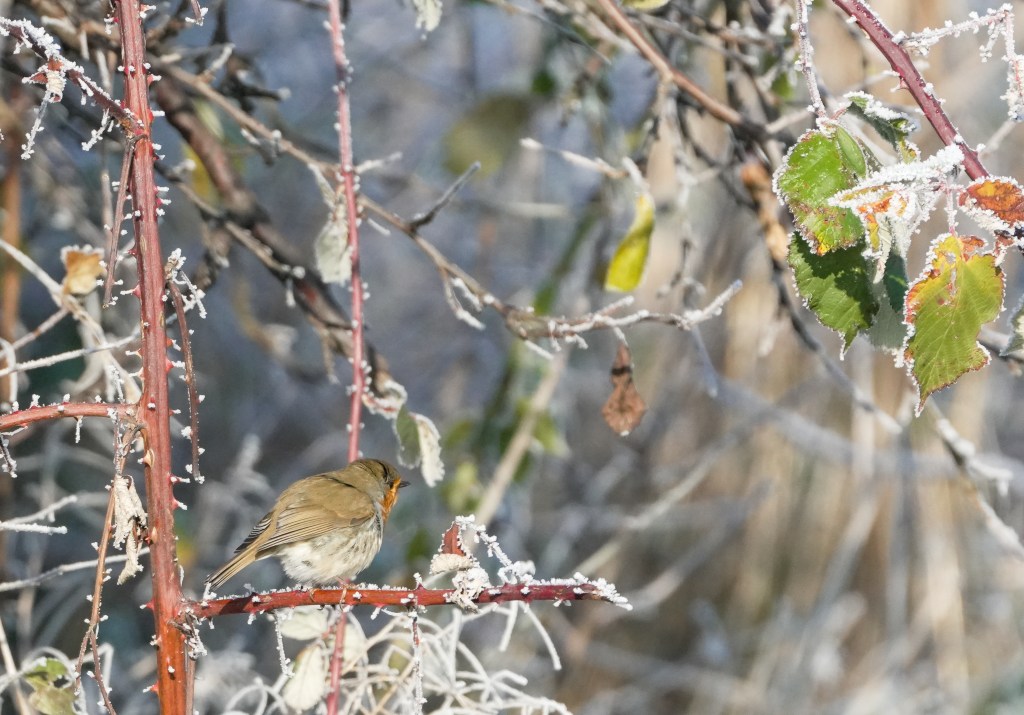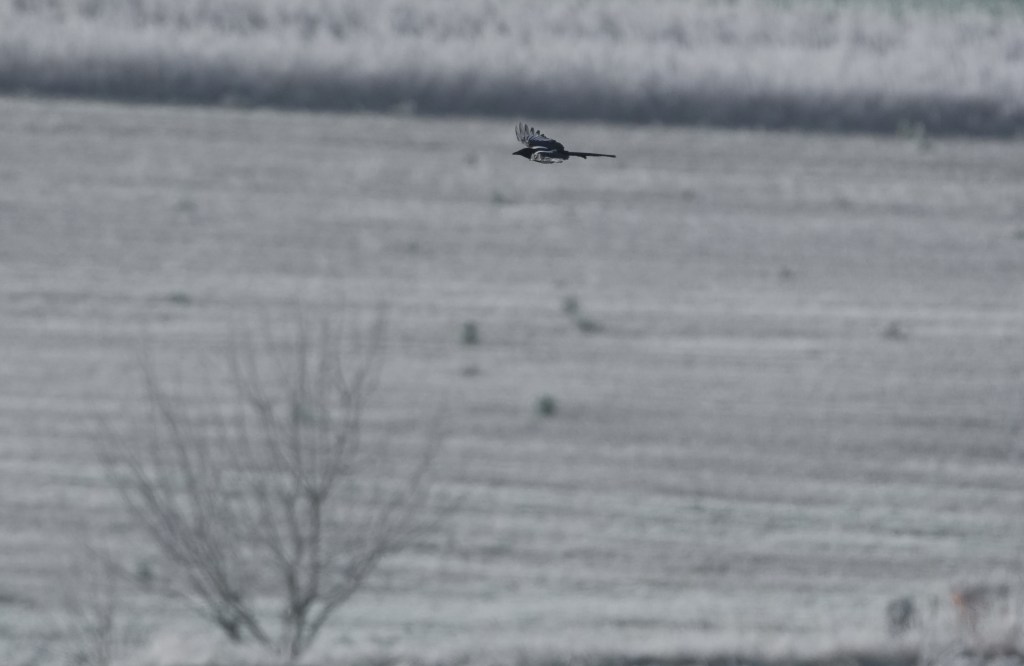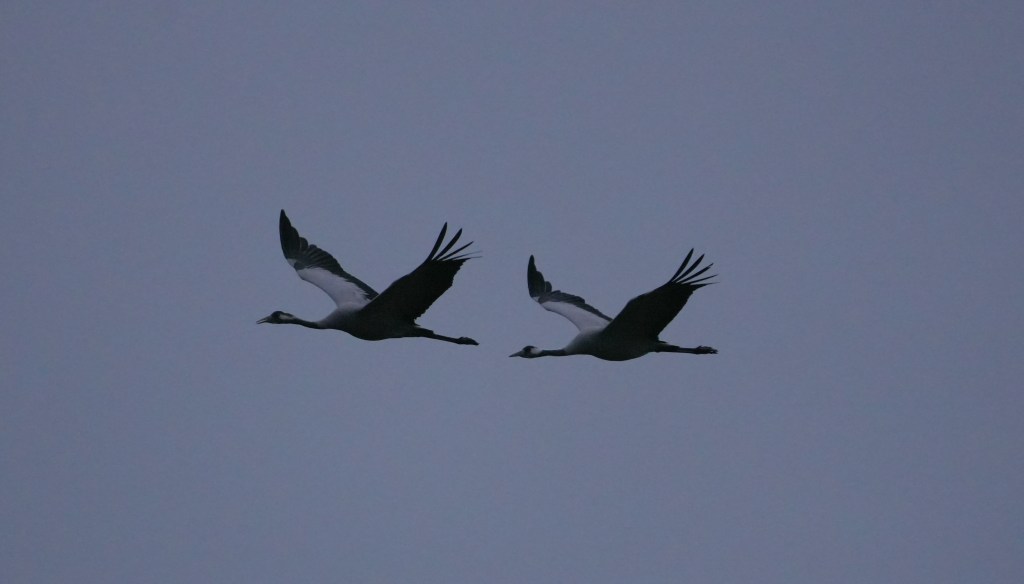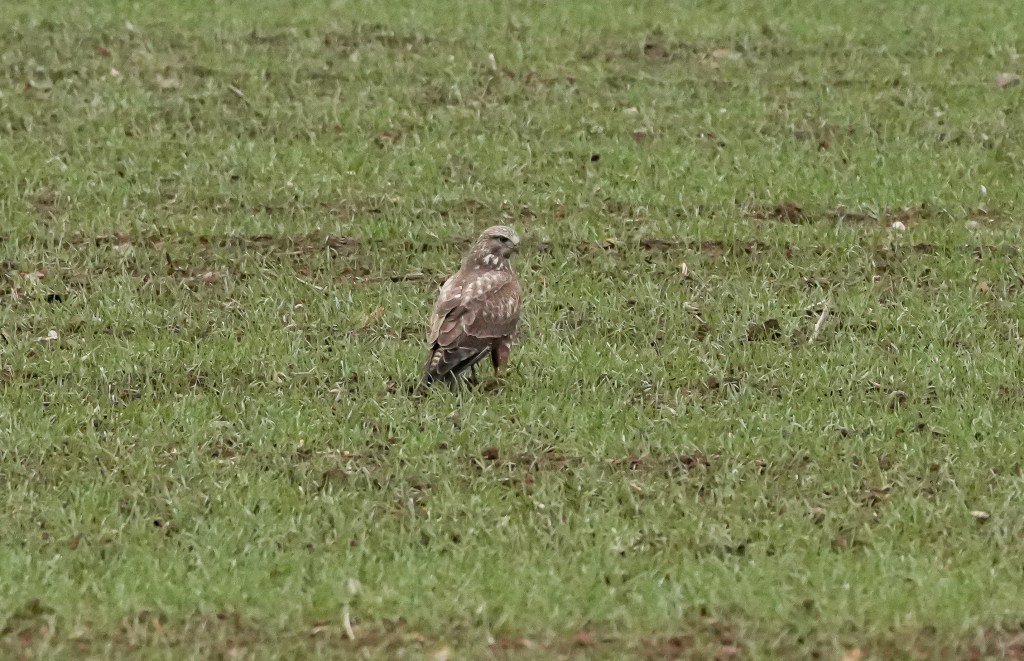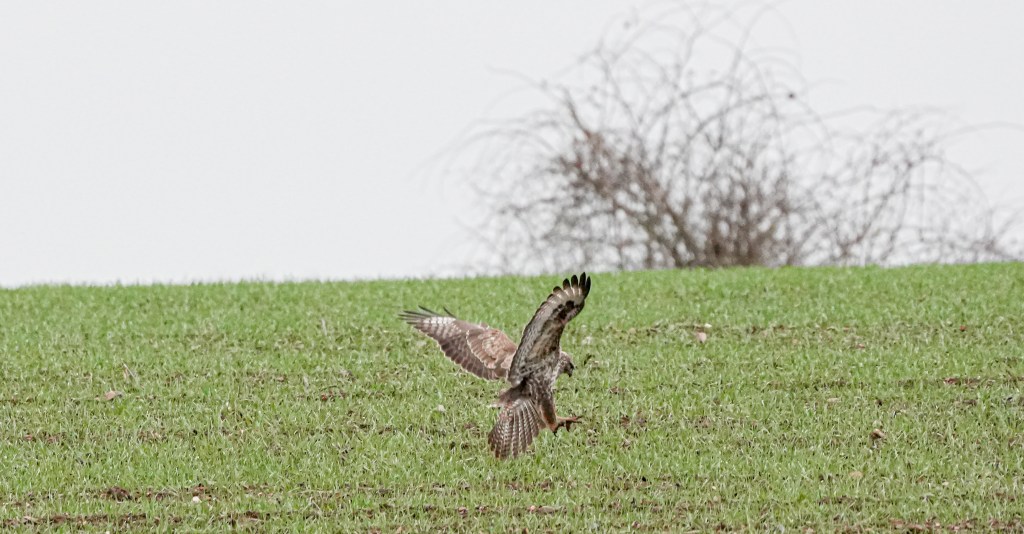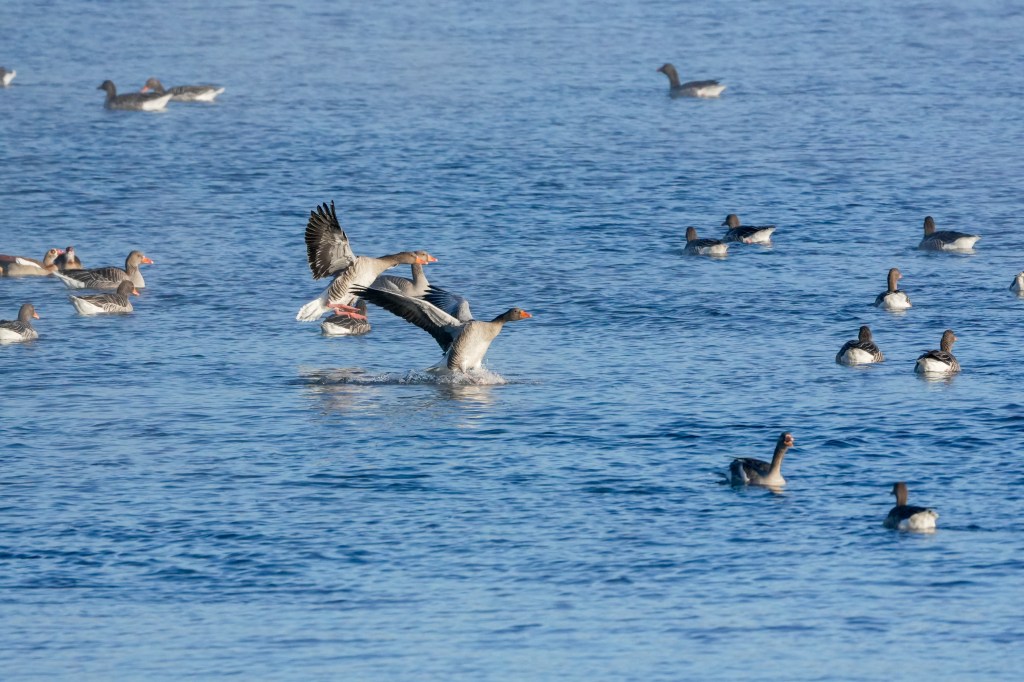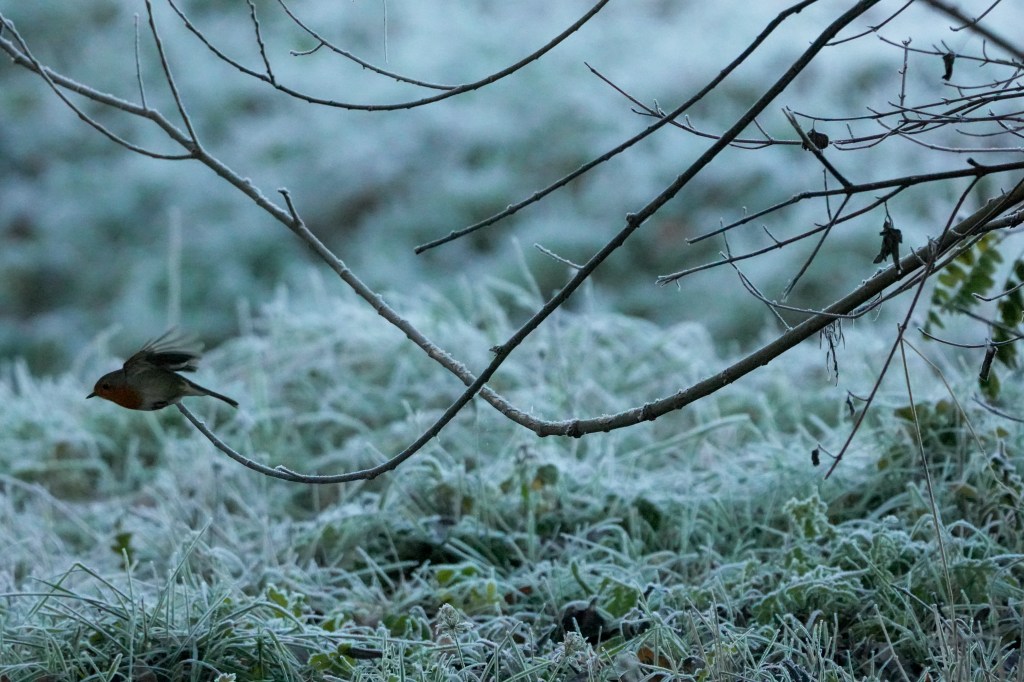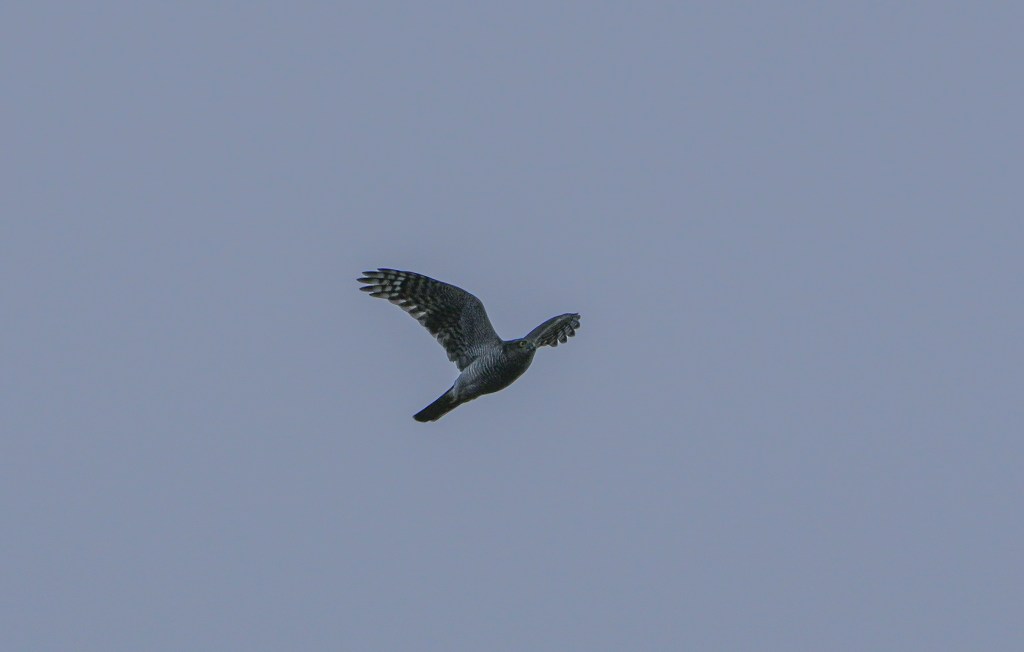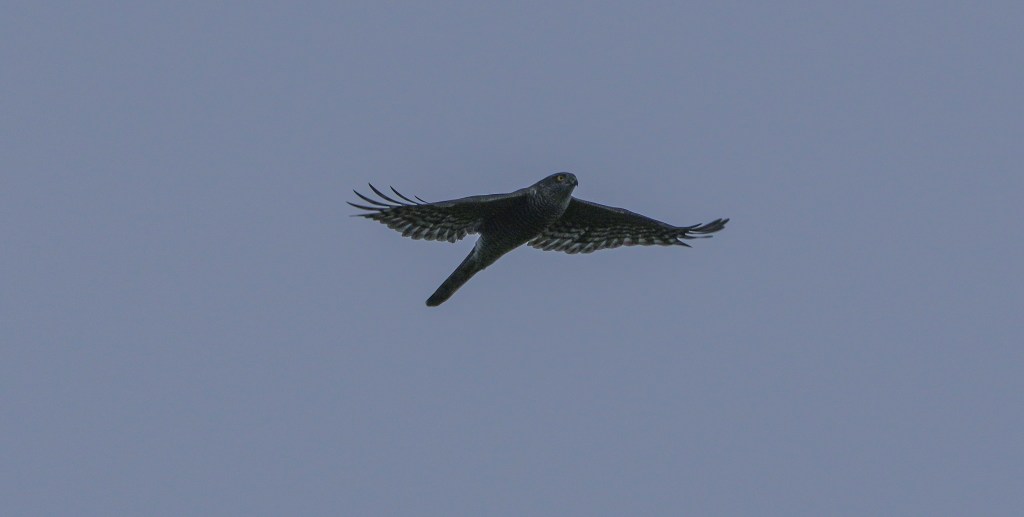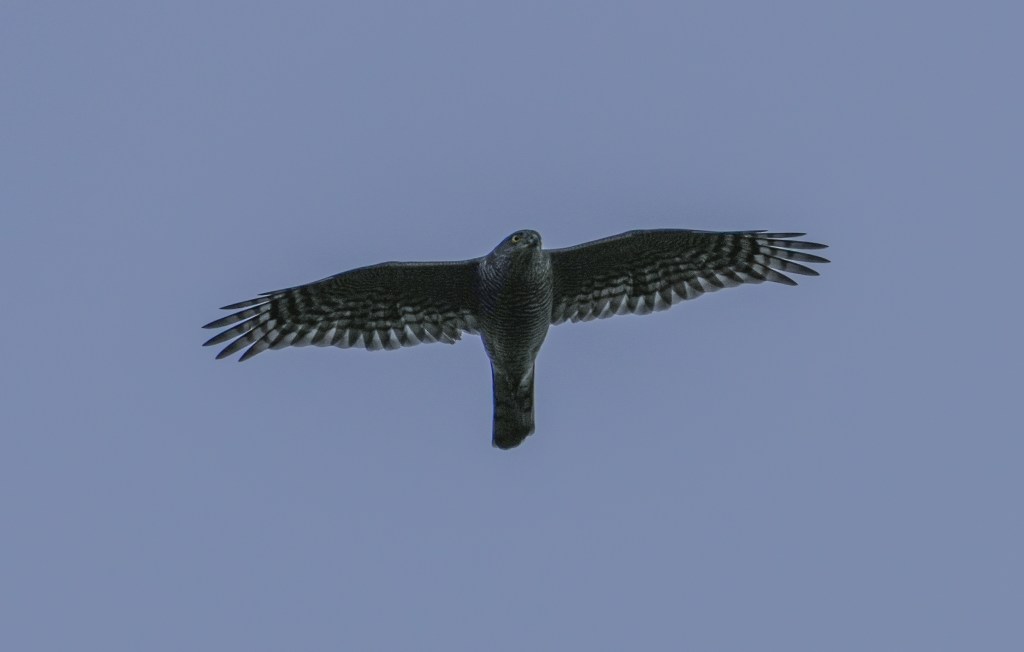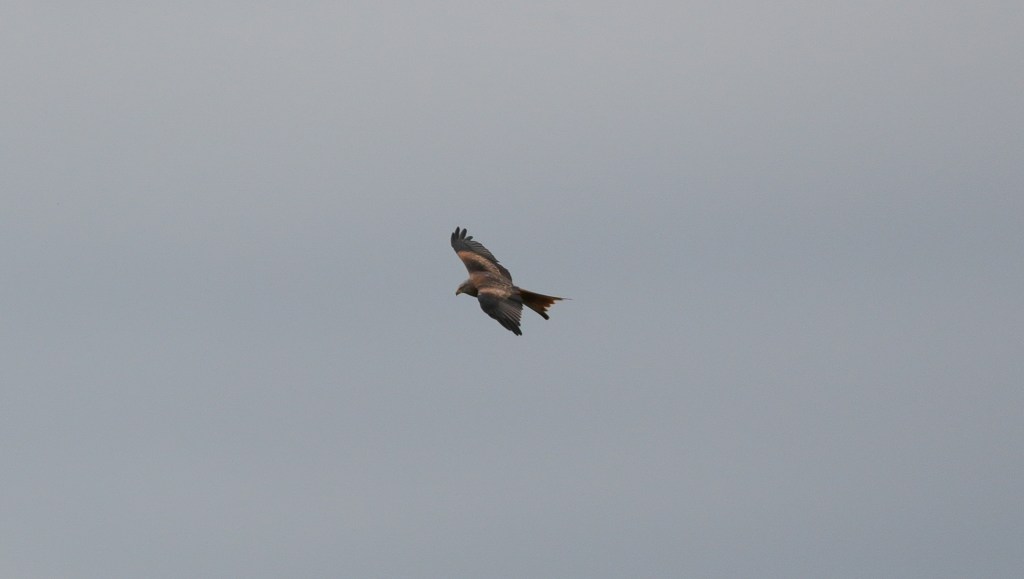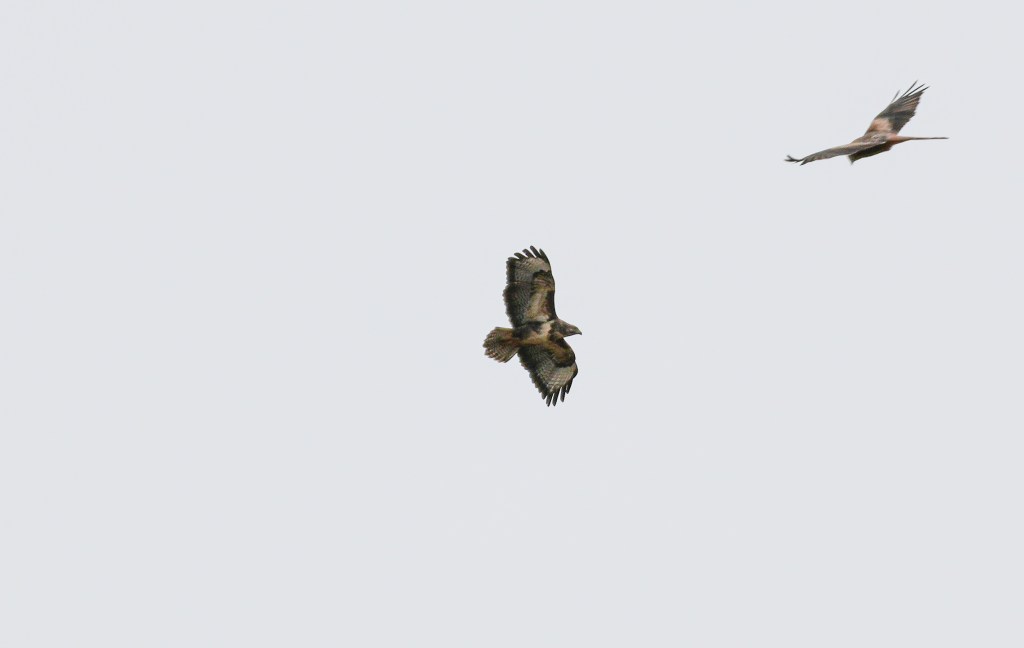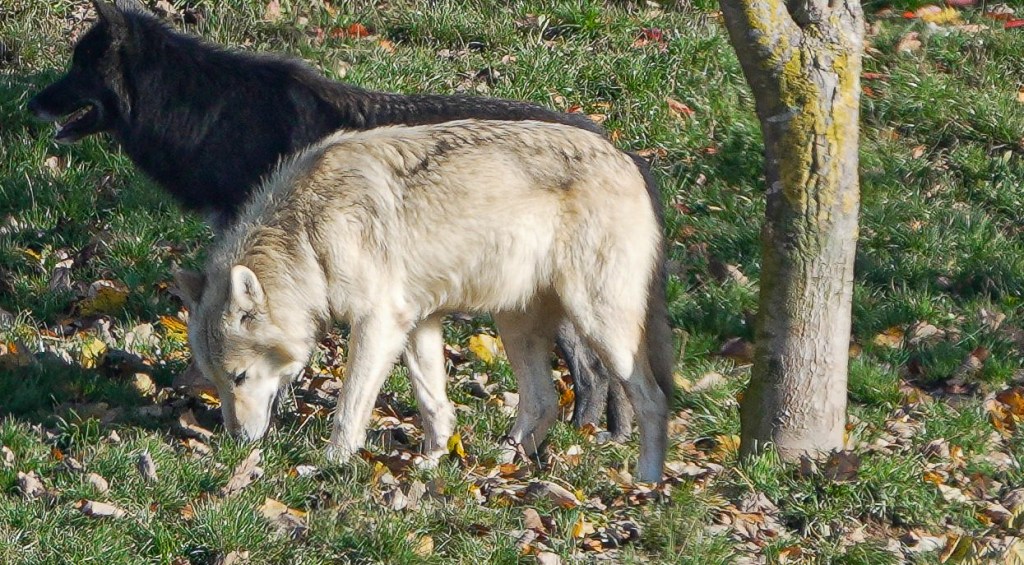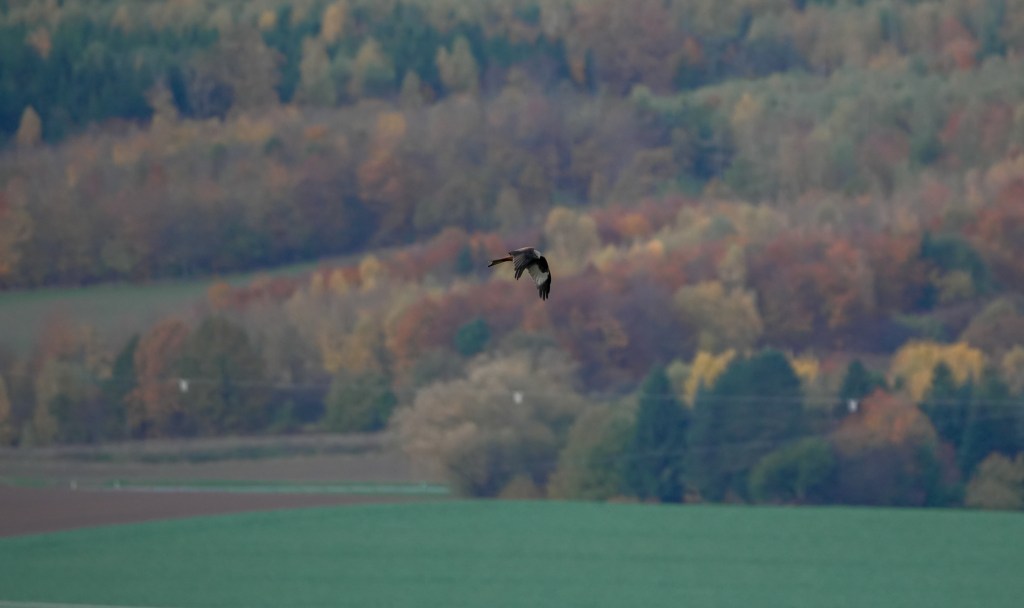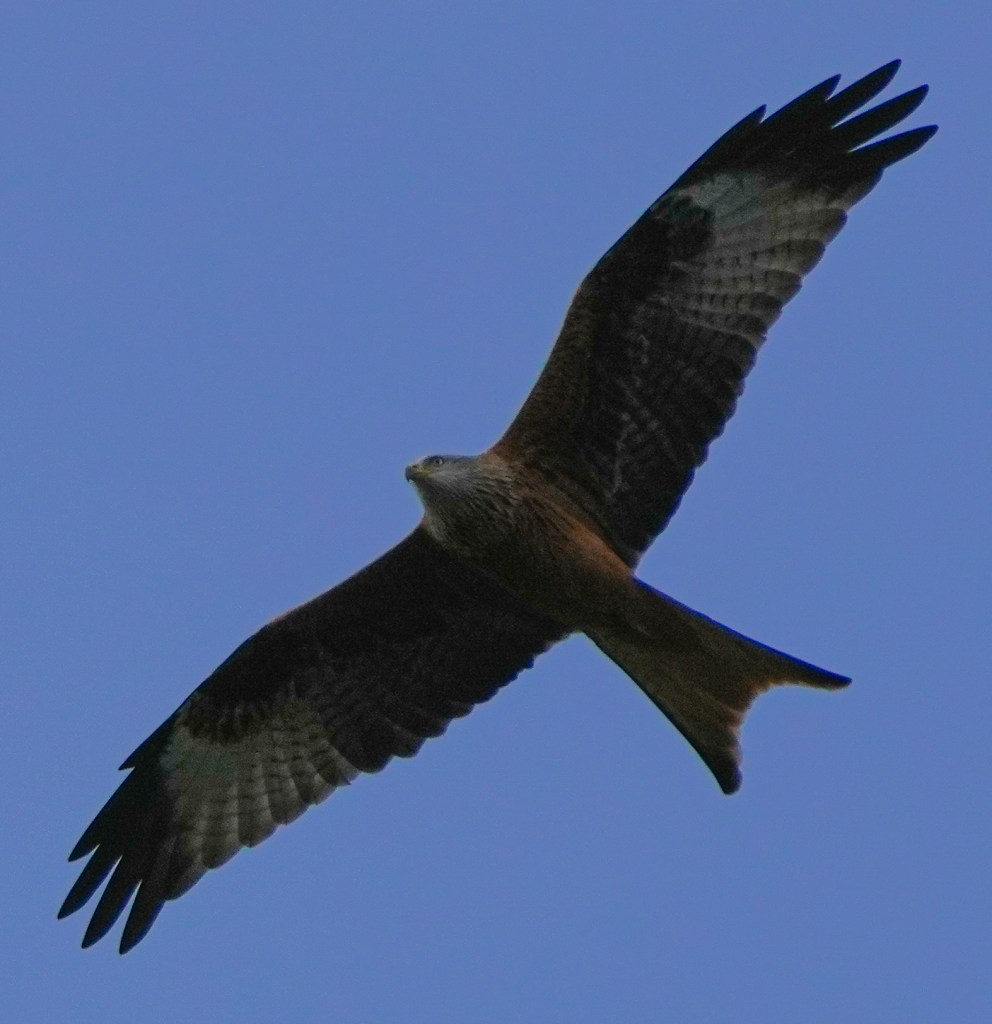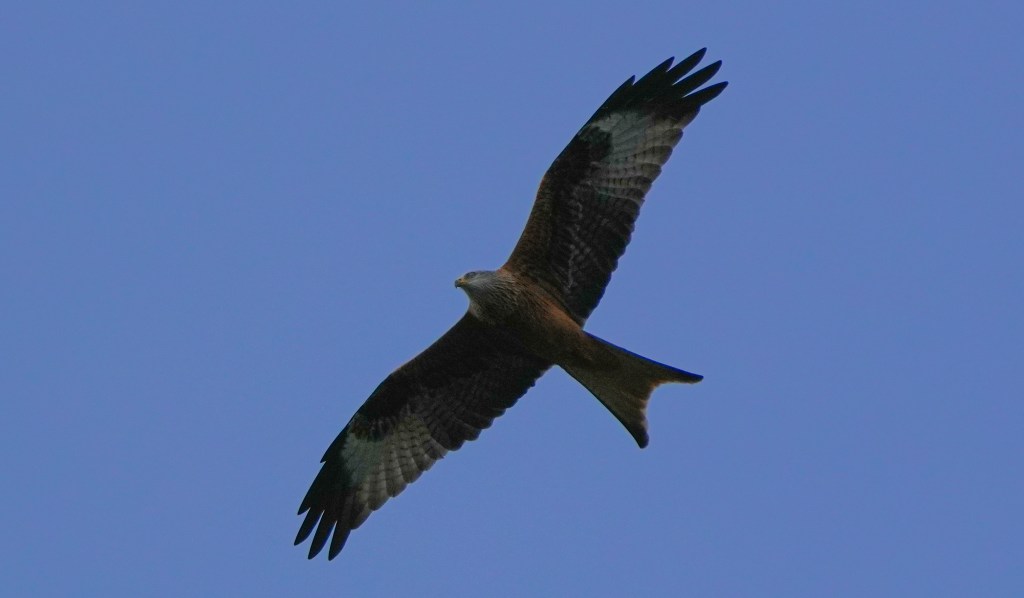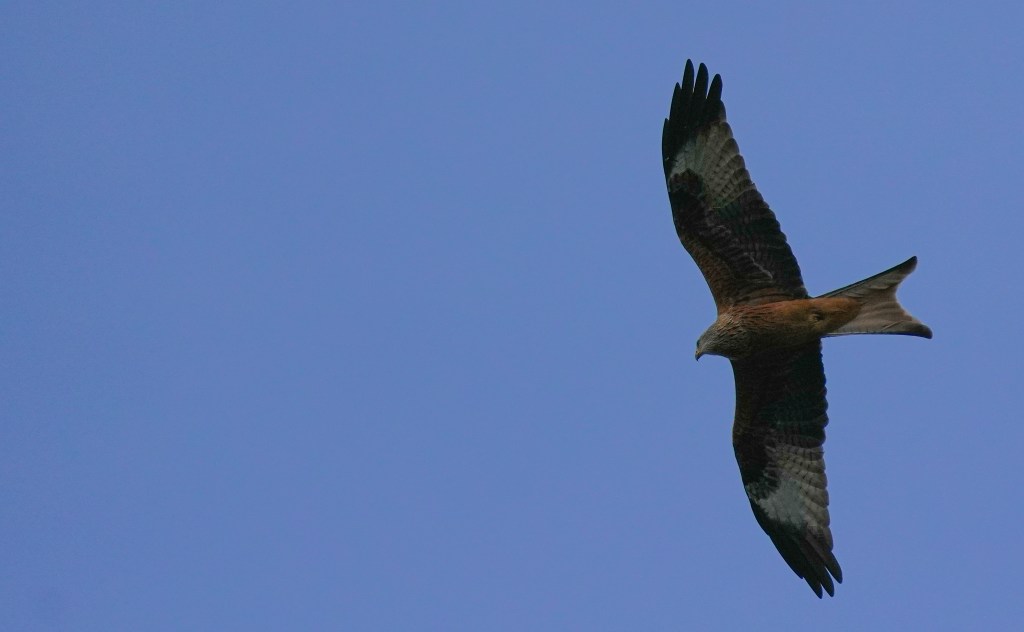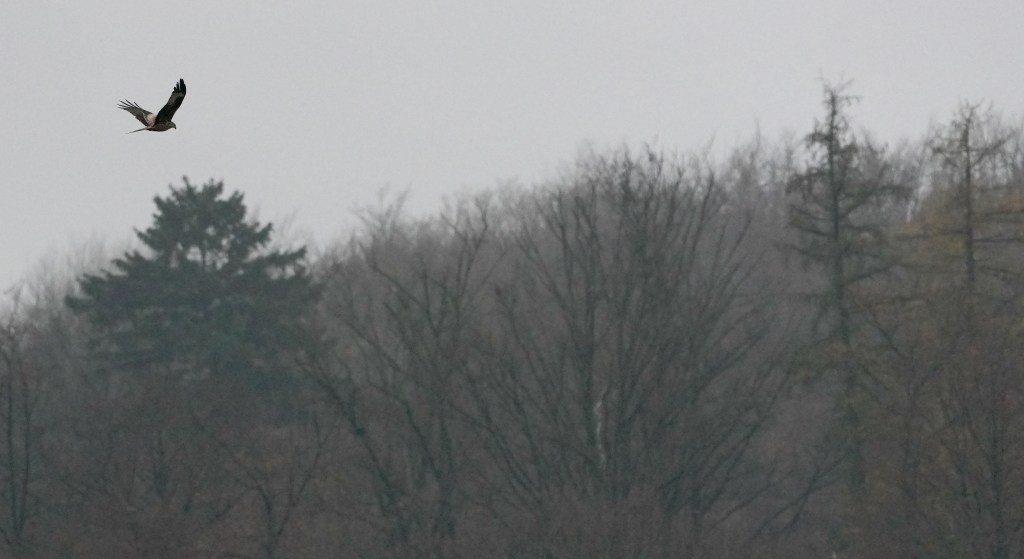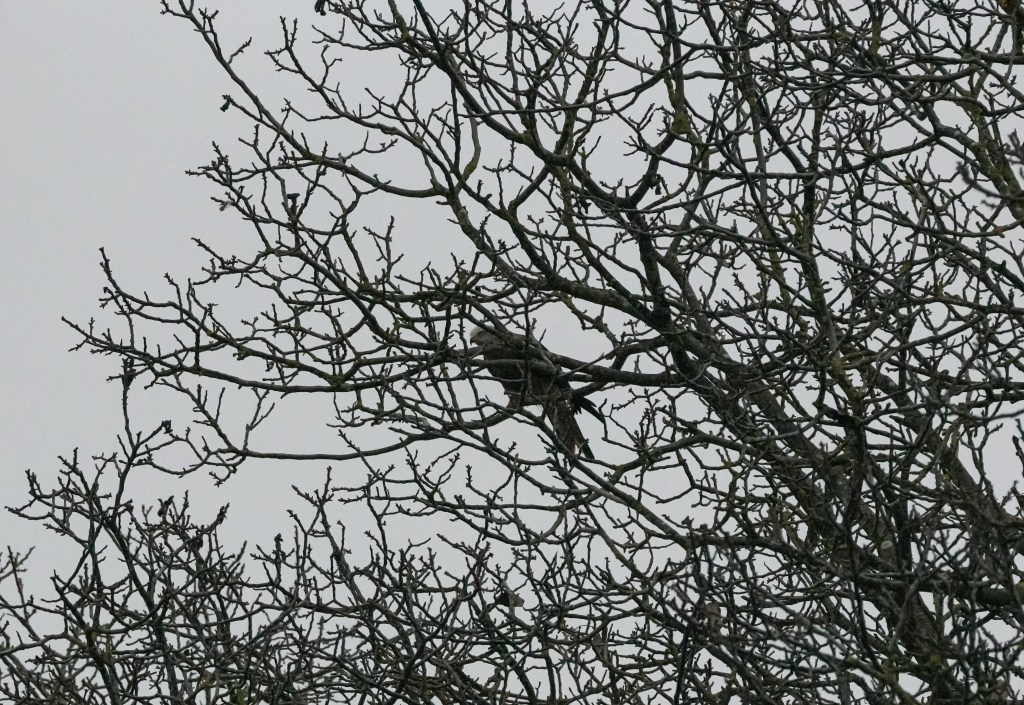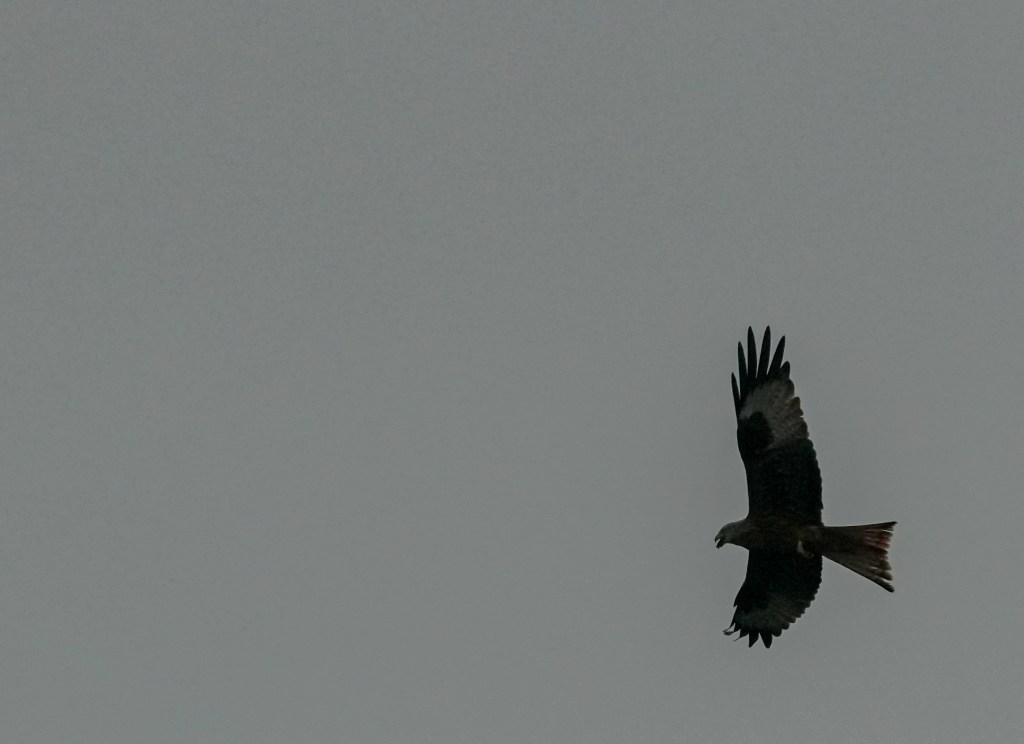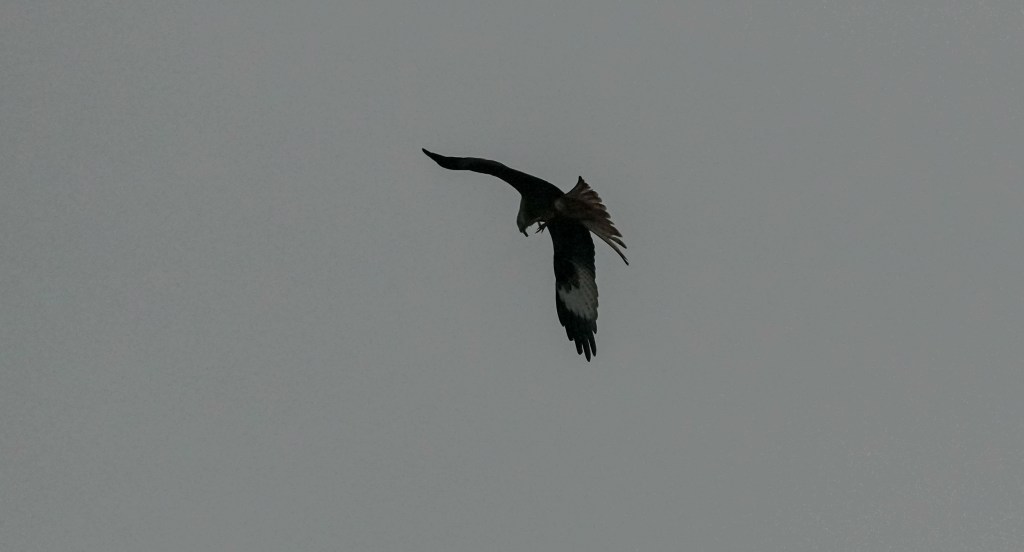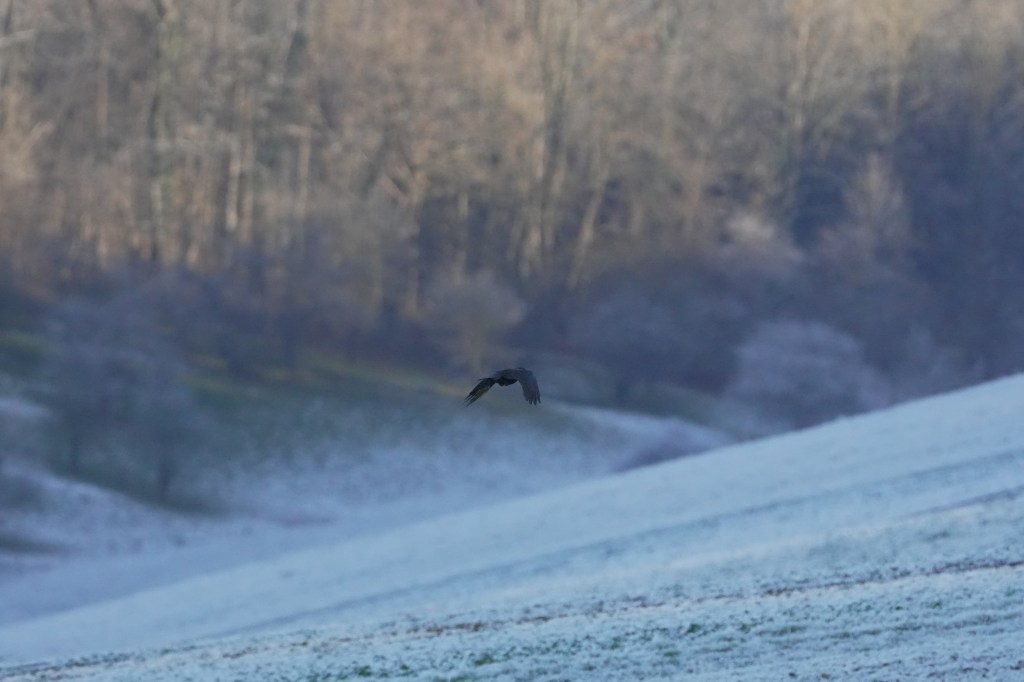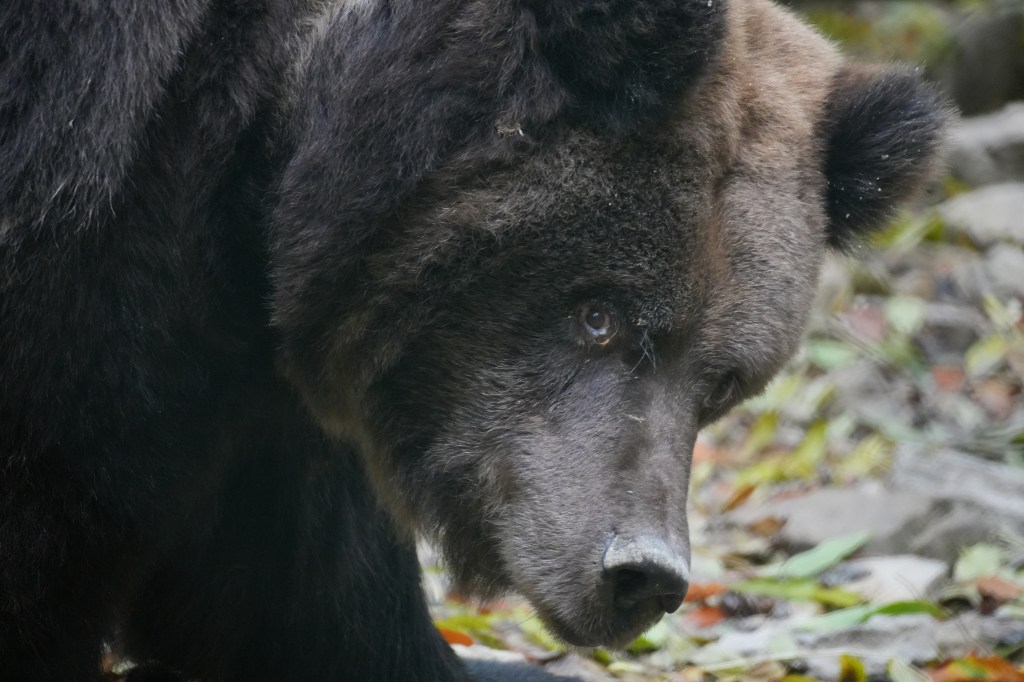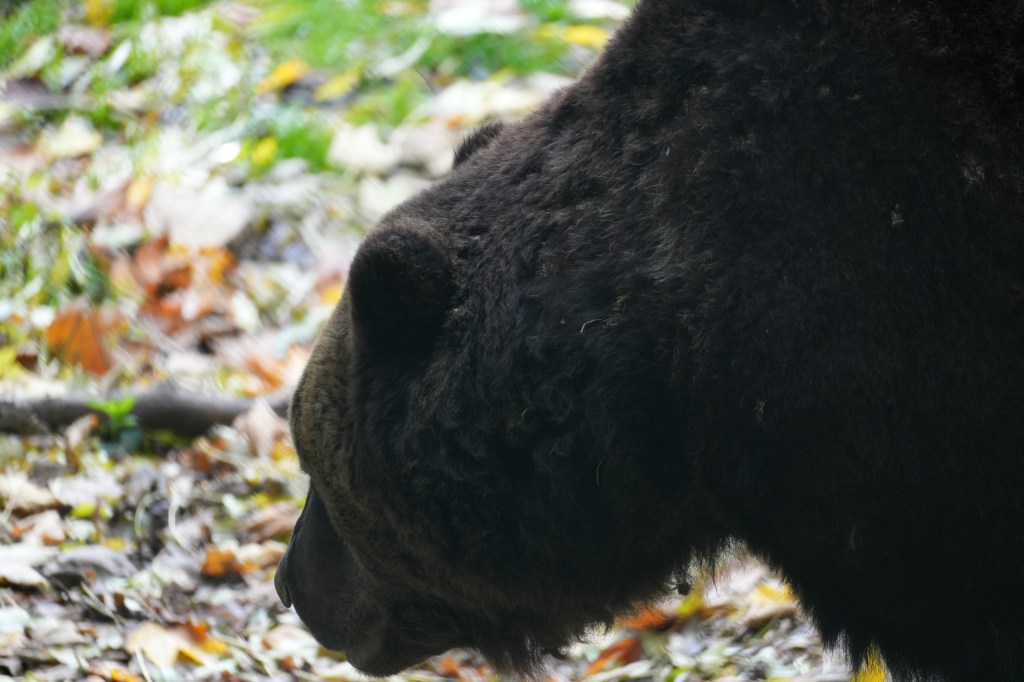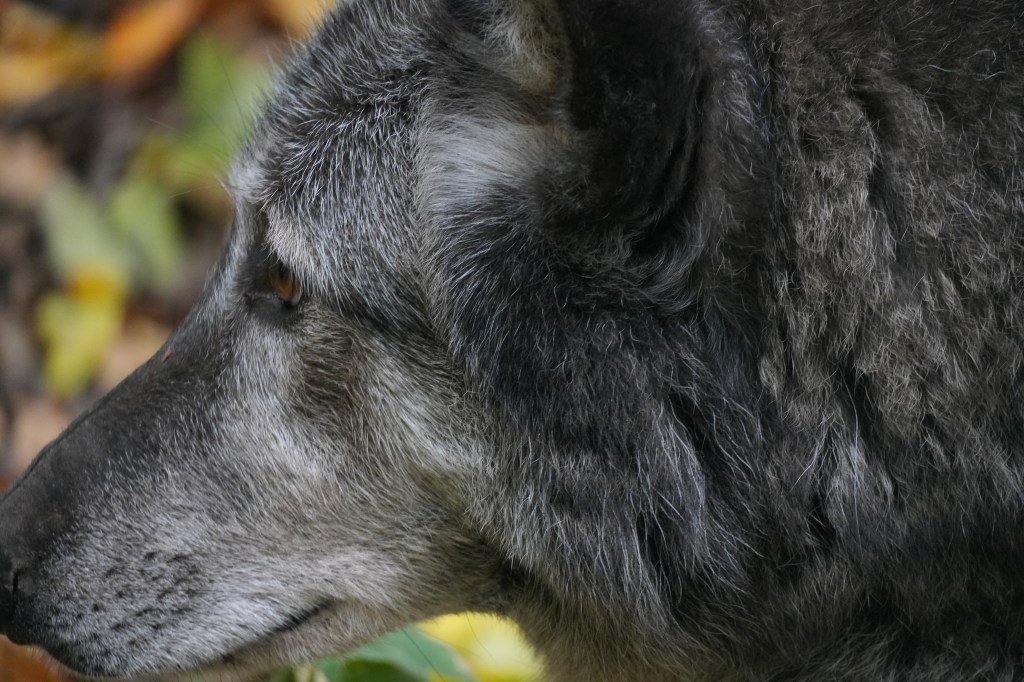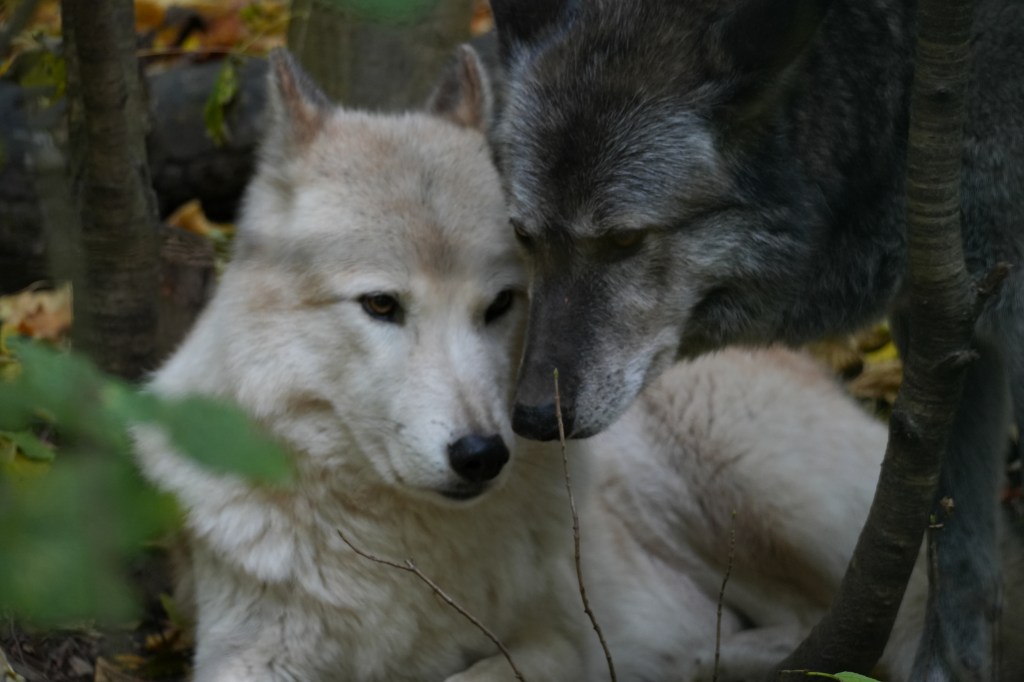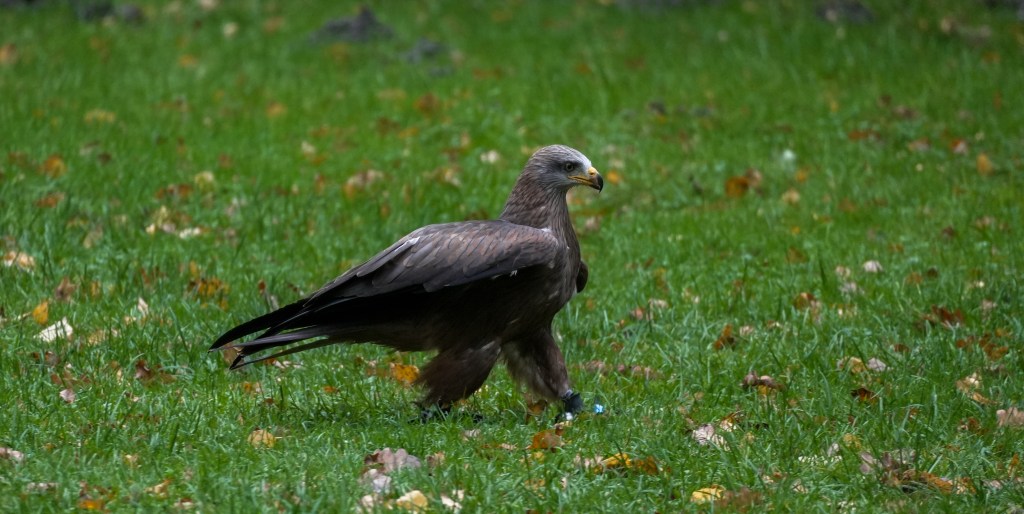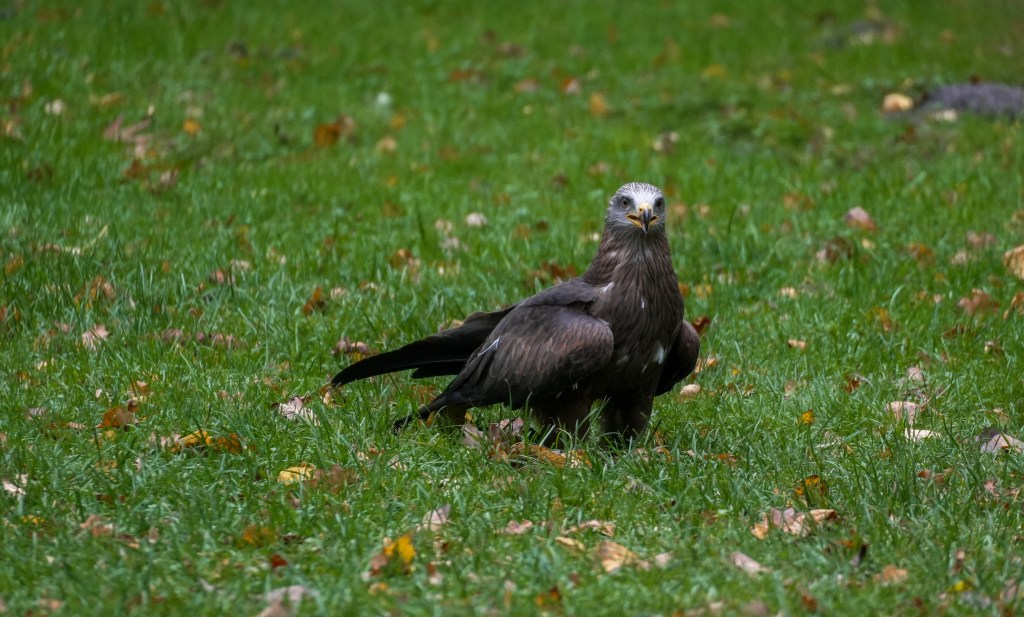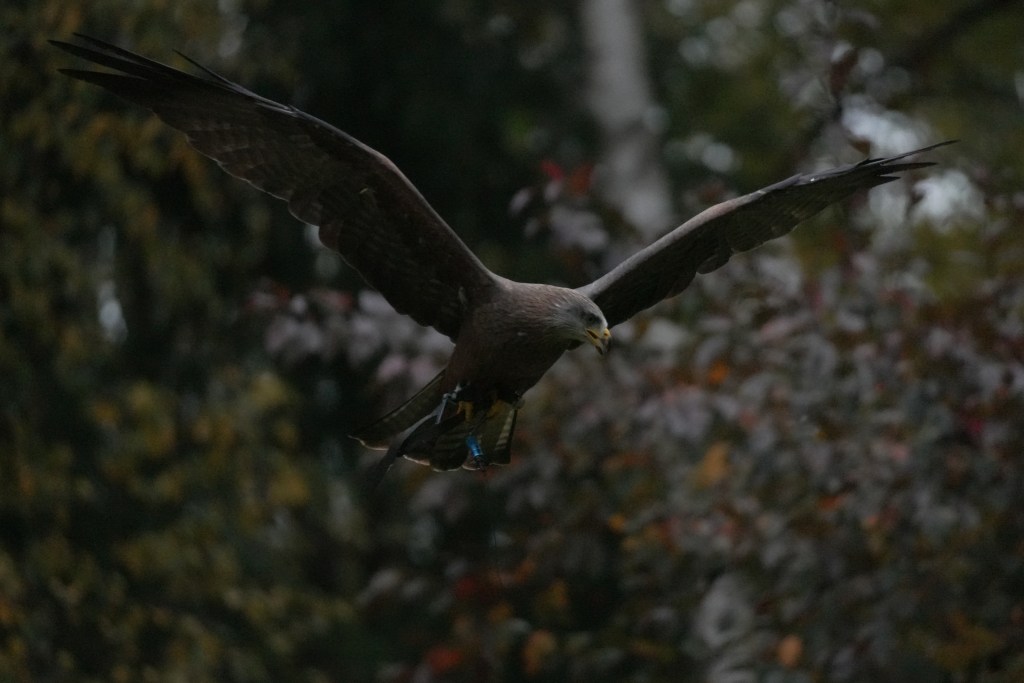
At the Leinepolder near Einbeck there is a little hill to the west, where you can walk. There are lost of fields and winter crops growing which attract all sorts of birds of prey, just like one couple of common kestrels or “Turmfalken” in German.
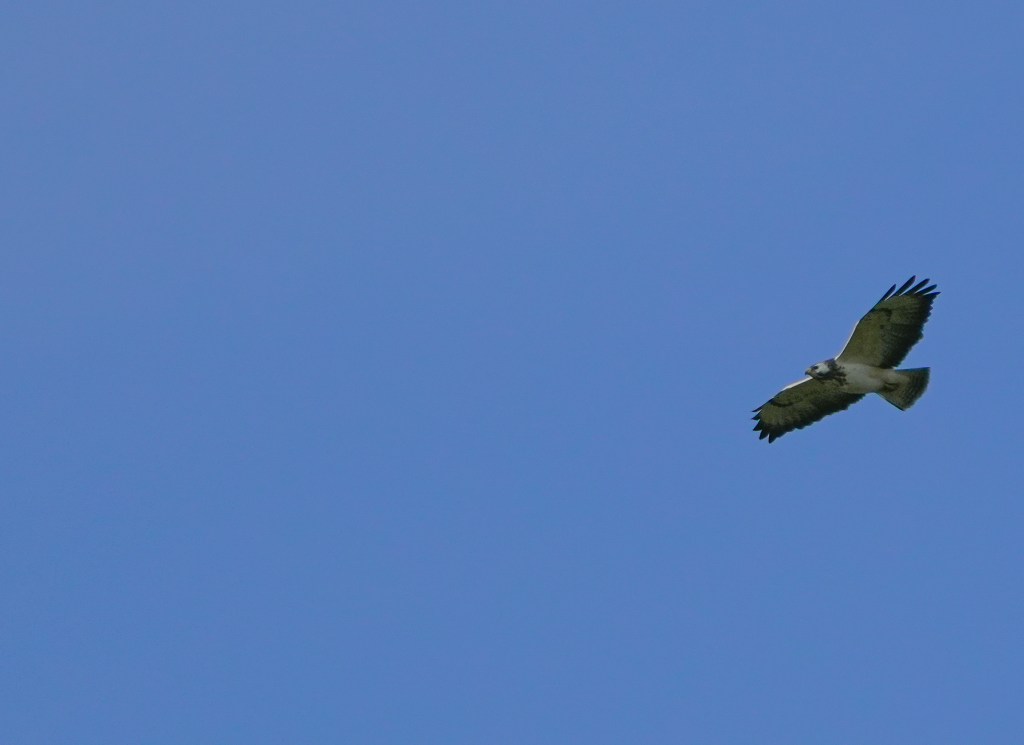
They are falcons and very fast. Whats also special about them is their “rüttelflug”, where they smash their wings fast to stay at the same spot in air while they are looking for prey.
I managed to get some great footage of them:
Time and location: Dez 2025, location: “Leinepolder”, Lower Saxony, Germany
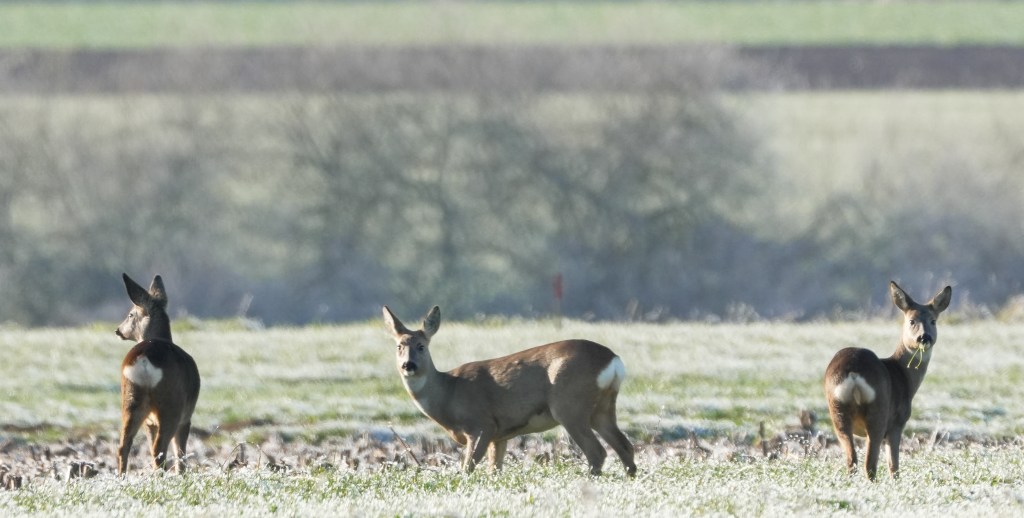
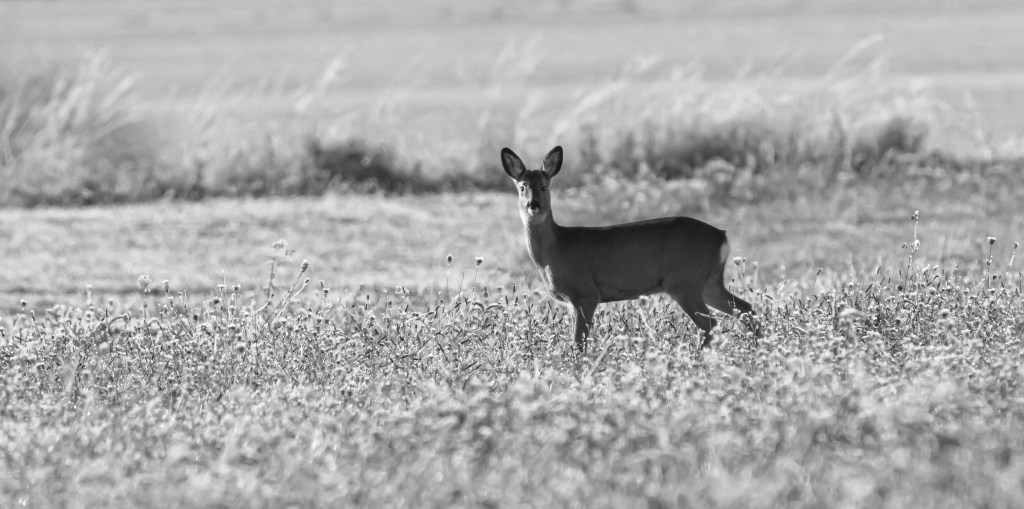
The “Leinepolder” near “Salzderhelden” are a protected nature reserve, which is filled by lots of dear and big birds. I cant give an overview about what to see there in total, but its definetly much!
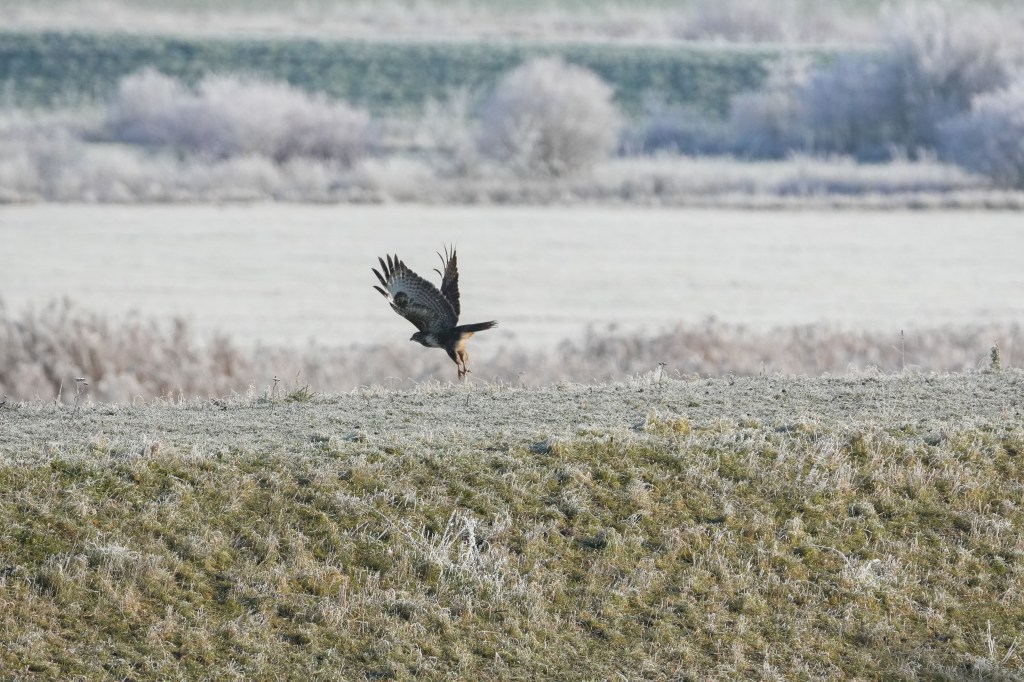
Unfortunately since its a german nature reserve, its not that easy to get good shots, or closer ones. There are some viewing spots of the “Naturfreunde” and other institutions near “Sülbeck”. Behind Sülbeck there is also a little hill surrounded by fields, which is perfect for big birds.
And I again spotted some buzzard, dear, and more common but still beautifull birds. The photos are mostly with the lens put on some wood for stabilization, so not handheld.
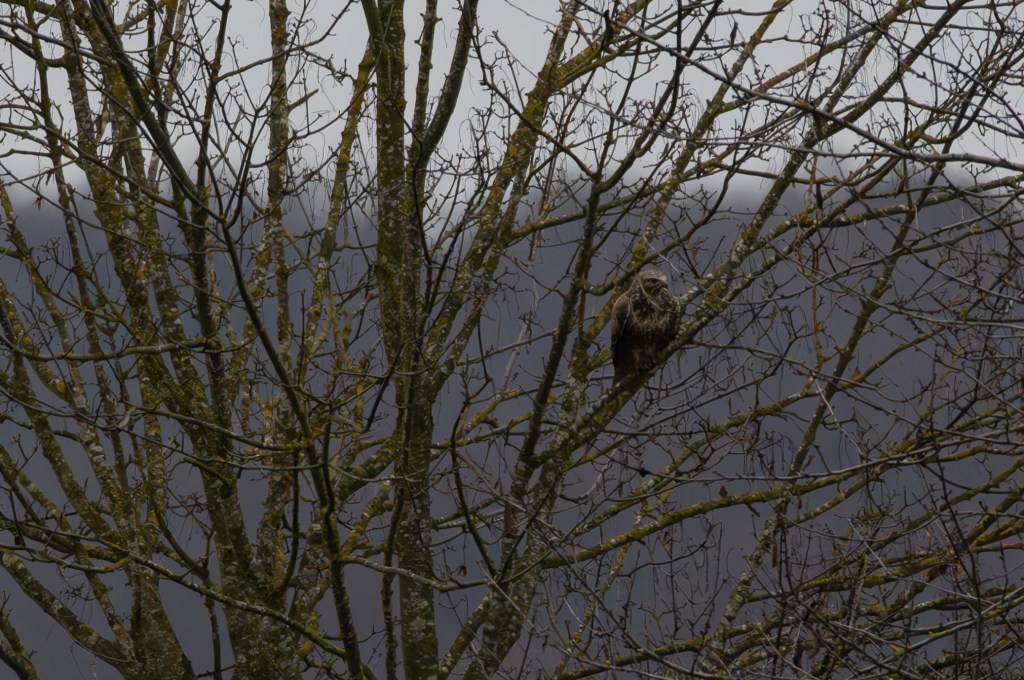
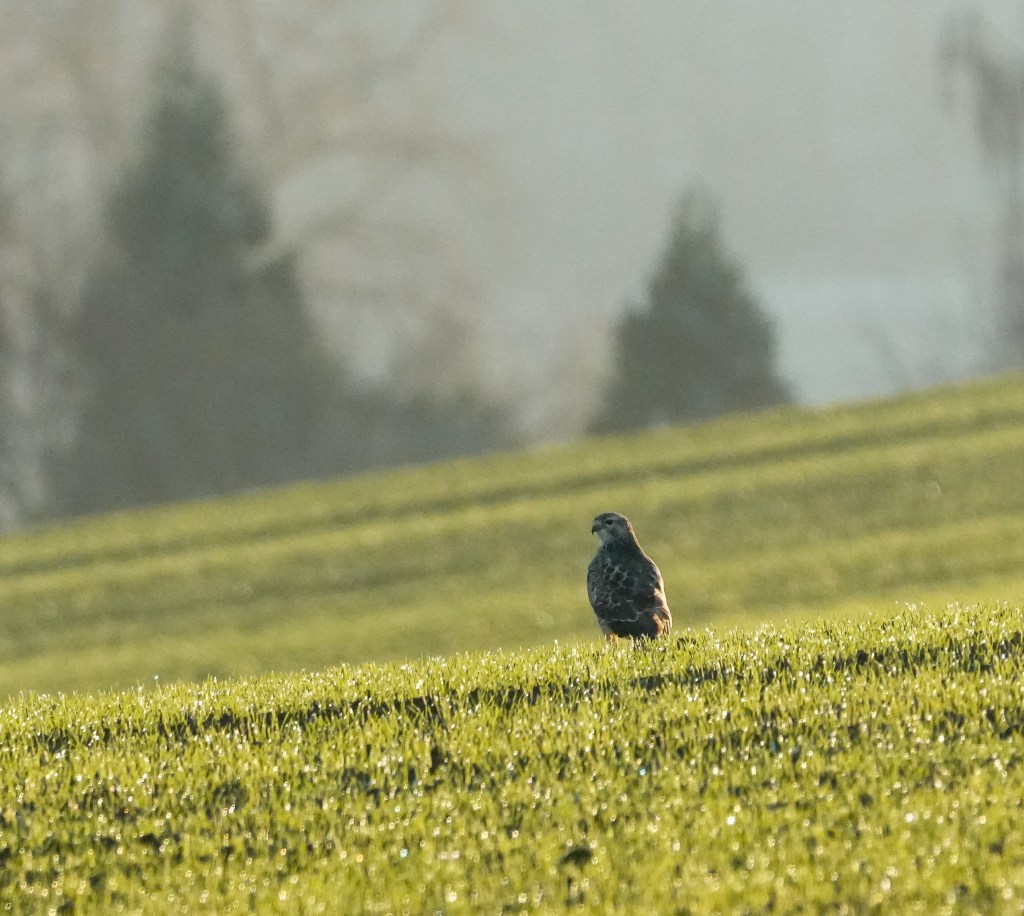
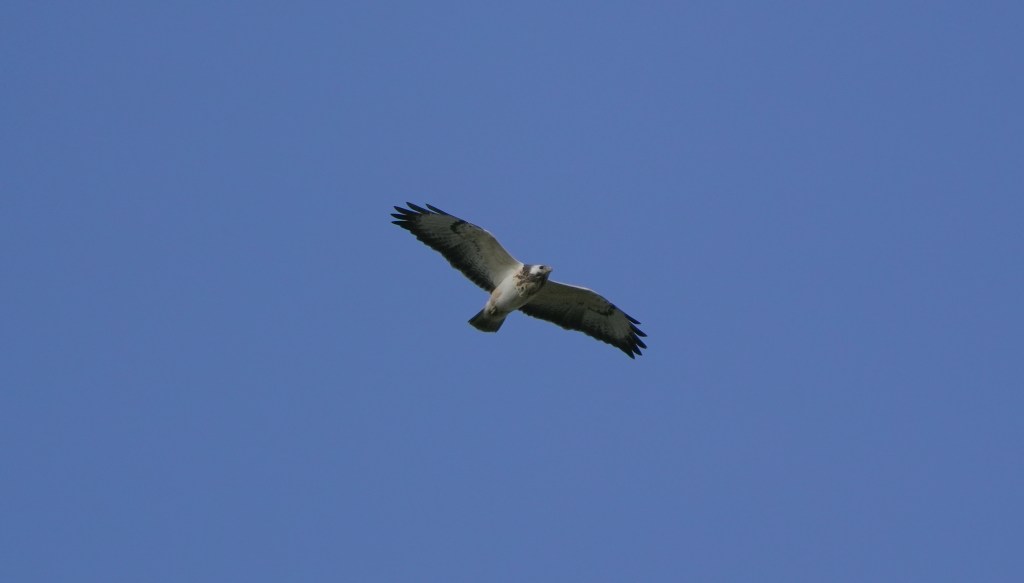
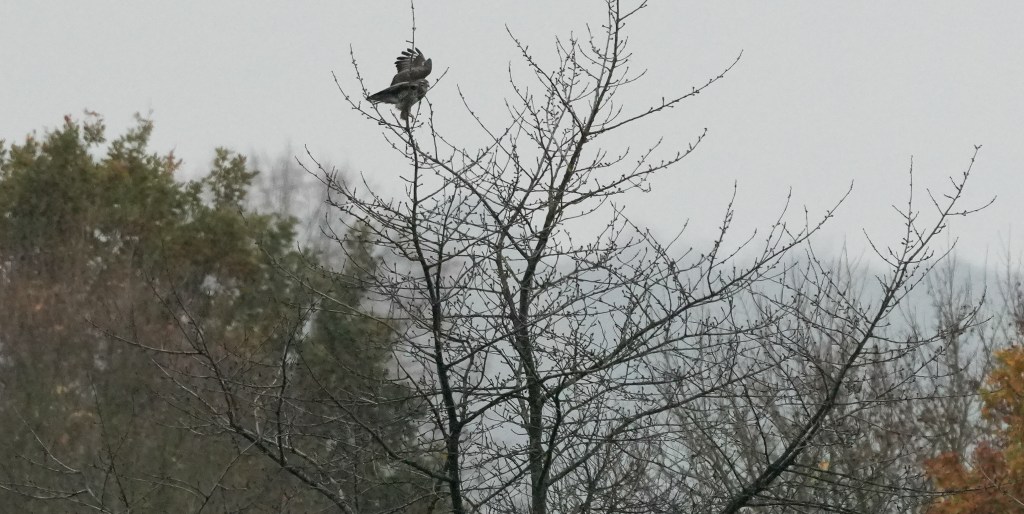
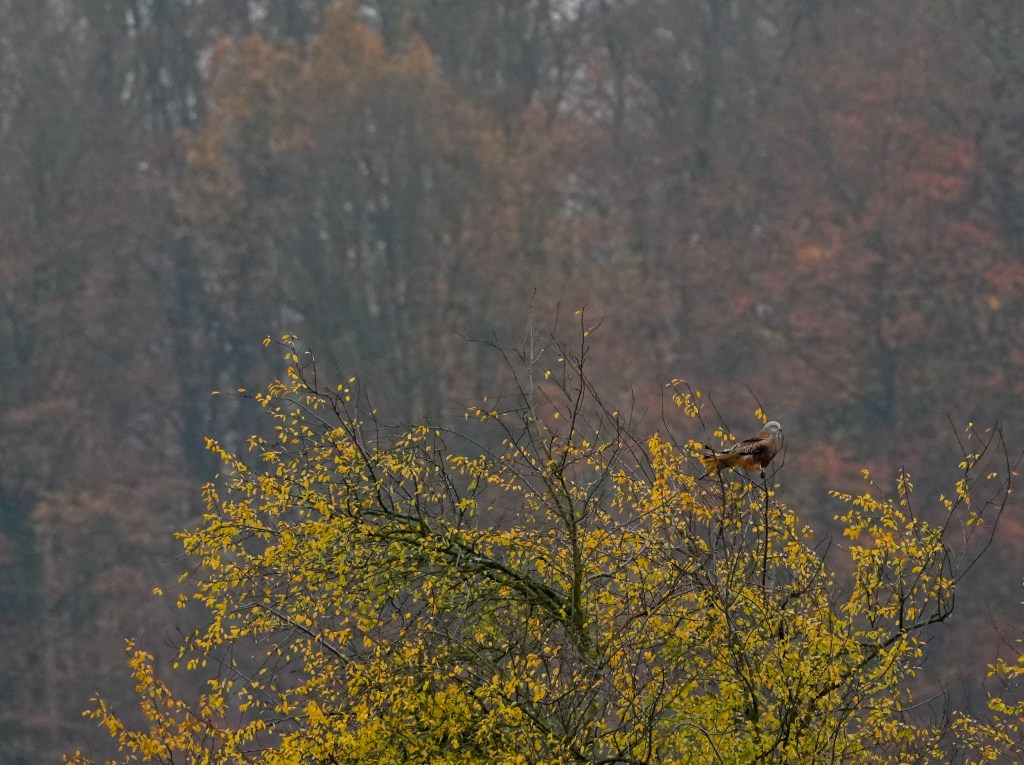
I only noticed this buzzard after about 10min from a viewing spot. In the beginning I thought it was a rock, until I realized that it would have been the only bigger rock around where i could see. My eyes are so bad I just couldnt tell – so I looked through my 200-600 lense…jup…after like around 10 more minutes it either noticed me or spotted sth behind this wall to the Leinepolder. Before it didnt seem to mind me or the L572 just 10m away from him…
Looking at the picture now, you have to ask yourself: How bad are my eyes (I dont wear glasses or anything and still get by) or how great is a (FF equivalent) 900mm reach?
Time and location: Nov 2025, location: “Leinepolder”, Lower Saxony, Germany
Moving forward I definetly have to watch out for storage limitations (6GB) and will try to post some more exciting stuff next time. This could also mean, it will take some time though – I will keep you posted.
This was a very special day for me, since on this day I developed the decision to invest more into this hobby. I didnt have much time that time and was pretty beaten since it was a friday after a stressy work week. But the desire to go out and shoot sth was just to great. Wheather also was great and I decided to visit the “Südharz”.
The southern Harz or “Südharz” is part of the harz-mountains, which is a relatively low mountain region in the middle of Germany. The biggest mountain in the harz is the “Brocken” with just over 1000m.
I went there recently and ironically only saw bigger birds on the lower fields, and on the mountains there were none – i wonder if thats coincidence or im missing sth 😀 anyways I found one buzzard and wanna share these photos of yet another “common/mice buzzard”. These photos are shot handheld and are the most recents photos as of today.
Time and location: Nov 2025, location: “Südharz”, Lower Saxony, Germany
Later It spotted me and retreated to a tree further back. This also is the first RAW I shot – everything else until now has been .jpeg. Over this day I decided to invest more into this hobby and wanted to do some RAW shots as well, to be edited later.
Time and location: Nov 2025, location: “Südharz”, Lower Saxony, Germany
The “Nordheimer Seenplatte” in Lower Saxony has much to offer in terms of wildlife: Lots of small birds, a variety of bigger birds like stork and swan of course, but also apparently the occasional fish-eagle and other predator birds – depending on the time of year. And that is inspite of being very close to Germanys big A7 highway.
There also are some bird-viewing-hide areas close to each other and a watching tower. Both is west of Hohnstedt, organized by the local “Naturfreunde”.
Here is what I spotted there so far, but I will definetly come back there again, to get better pictures of storch and might even get lucky enough to spot a fish-eagle which are rare here.
Time and location: Nov 2025, location: “Nordheimer Seenplatte”, Lower Saxony, Germany
Since I often drive the B3 between Northeim and Hannover, I noticed years ago the amount of red kites in the area of “Holtershausen” near Einbeck. Luckily there is a small parking area next to the “wolfsliebe” wolf reserve. Probably the high population of Kites and othe bird predators has sth to do with the wolfs but i havent figured it out yet.
One day there were around 6 red kites close together – just crazy. Unfortunately big birds in general seem to be very shy of humans (definetly not of cars) in Germany. But I mostly used my sony 20–600G f/5.6-6.3 @600mm on my APSC camera for those, which got me some amazing footage. In the future I plan to give more info on the kinds of birds. For example I shot some other big birds and am not 100% sure which kind they are – most of them are red kites though.
Since the bigger lense is much harder to handle with hands, my shutter speed varied a lot and im still adjusting it for birds in flight. Right now I need to shoot at least 1/3200, but i mostly go 1/4000 if i can now. Some older photos that I have are even 1/500 which was not a good idea. I did some work in Lightroom though and they look ok now. Here are the best of them – all handheld.
Time and location: Okt 2025, location: Holtershausen near Einbeck
Shot with: a6700, 70-350mm f/4.5-6.3 G @350mm f/6.3, 1/500, ISO125 cropped to 2053×1161
Time and location: Okt 2025, location: Holtershausen near Einbeck
Shot with: a6700, 70-350mm f/4.5-6.3 G @350mm f/6.3, 1/500, ISO100 cropped to 2276×1441
Time and location: Okt 2025, location: Holtershausen near Einbeck
Shot with: a6700, 200-600 f/5.6-6.3 G @600mm f/6.3, 1/320, ISO200 cropped to 1245×687
Very much lining the colourfull landscape and setting of the birds in those:
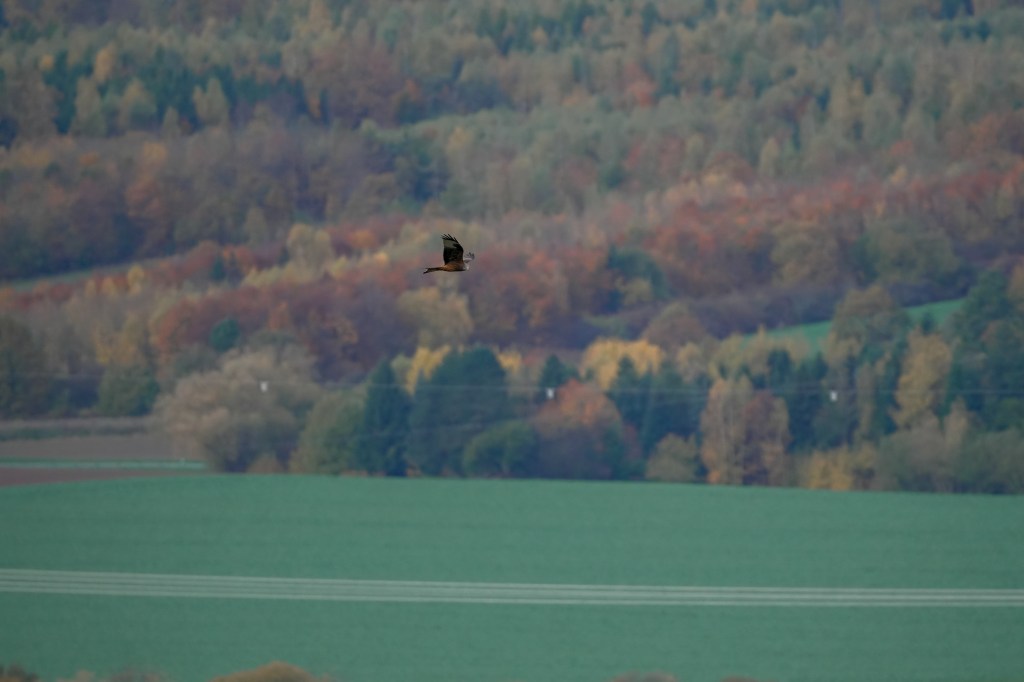
Time and location: Okt 2025, location: Holtershausen near Einbeck
Shot with: a6700, 200-600 f/5.6-6.3 G @600mm f/6.3, 1/2000, ISO640 6192×4128 (first one cropped to 5289×3145)
I got really lucky with wheather and animal count as well as distance on this day (31st of Okt.). Those photos I shot about 1.3x underexposed to get ISO down because I was stupid…when I look at the results, im still happy with them though:
Time and location: Okt 2025, location: Holtershausen near Einbeck
What I noticed about some of my photos was, that some parts of the birds werent sharp enough, when they were big in the frame. I learned, that i would have to stop down from f/6.3 to f/8, to solve this problem, which I did. I will probably write about stopping down some other time.
What I liked about this day: I tried to be very quiet and suprised one red kite in a tree. It didnt look happy about that but i figure my distance was still ok (must have been still >100m)
Time and location: Nov 2025, location: Holtershausen near Einbeck
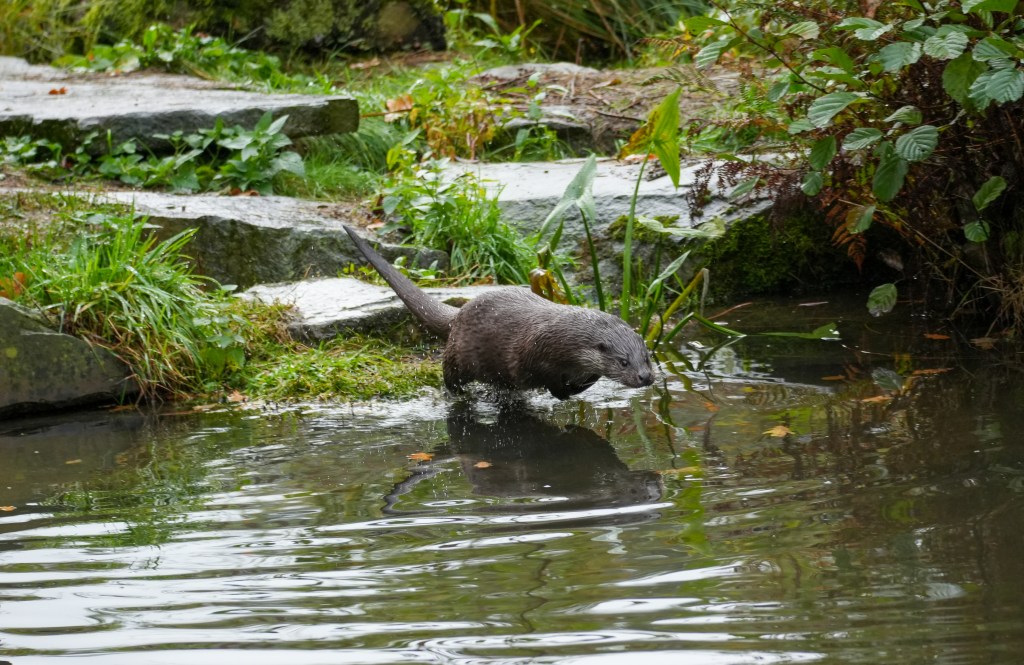
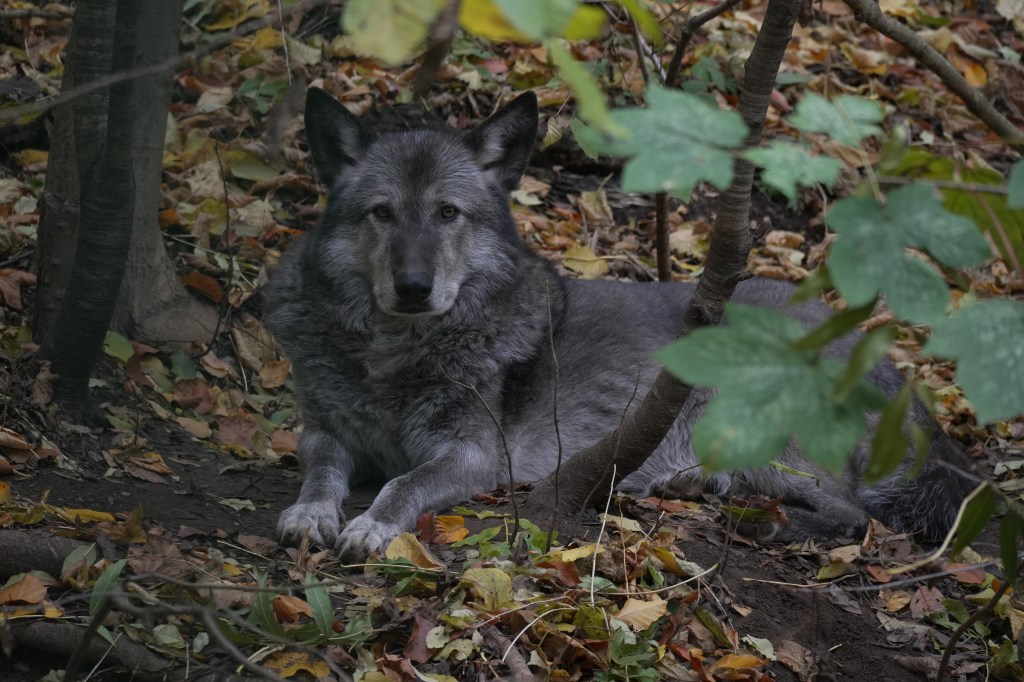
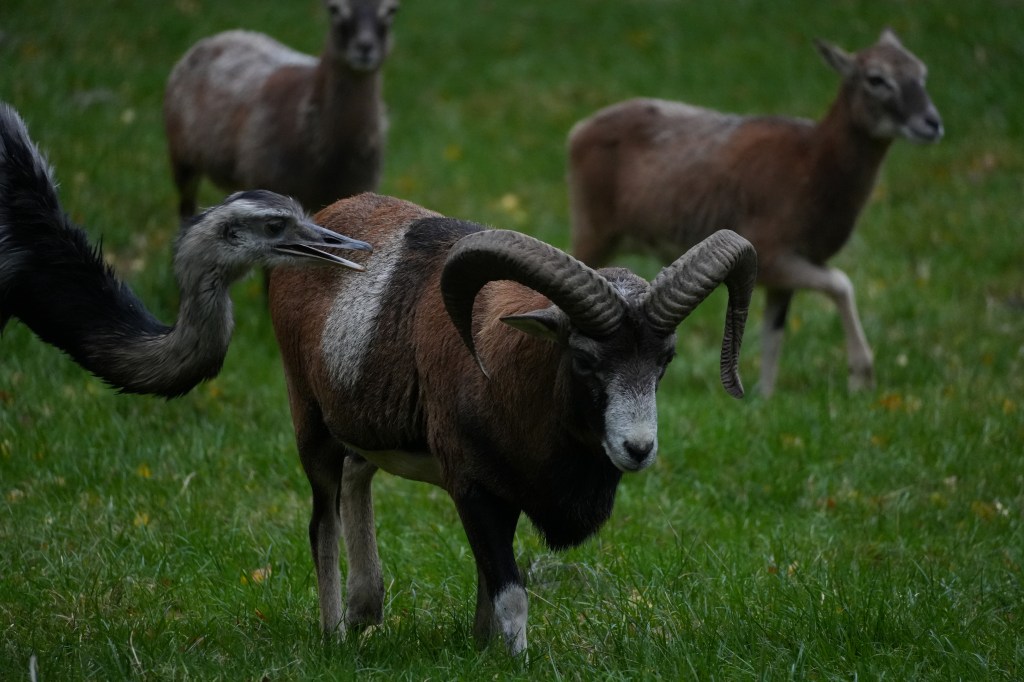
First thing, when I got the new camera, I wanted to test everything. I went to some local “wildparks” and also 1 bigger animal park to do just that. Those pictures were all made with the a6700 and 70-350 f4.5-6.3 APSC lens. That setup is small and I feel very comfortable with that around people. But I have to say some people were looking when I shot burst mode 😀
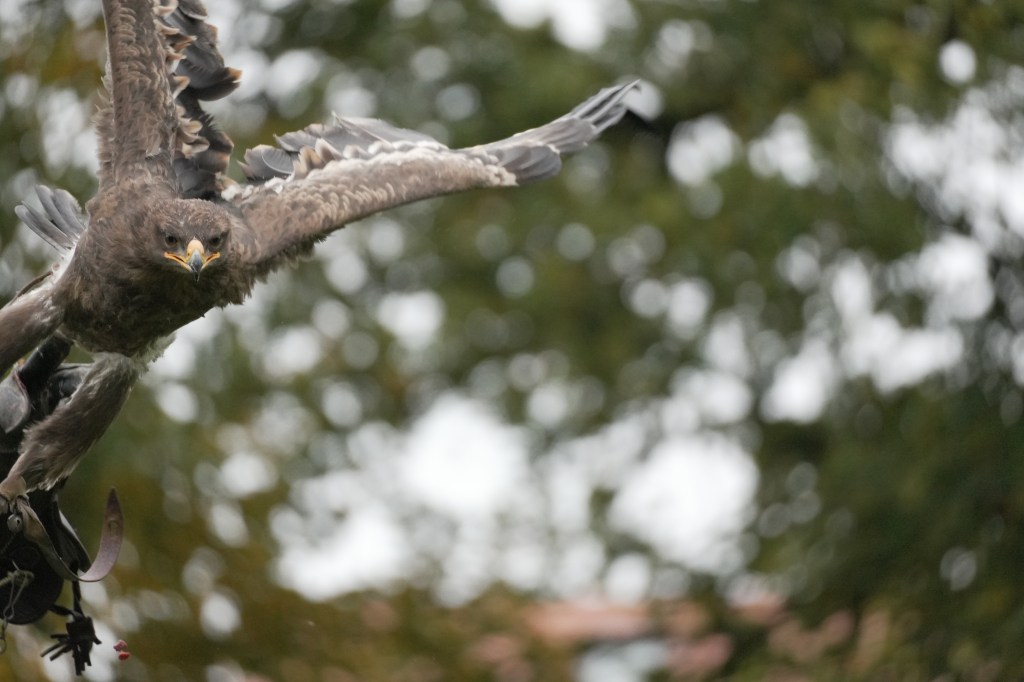
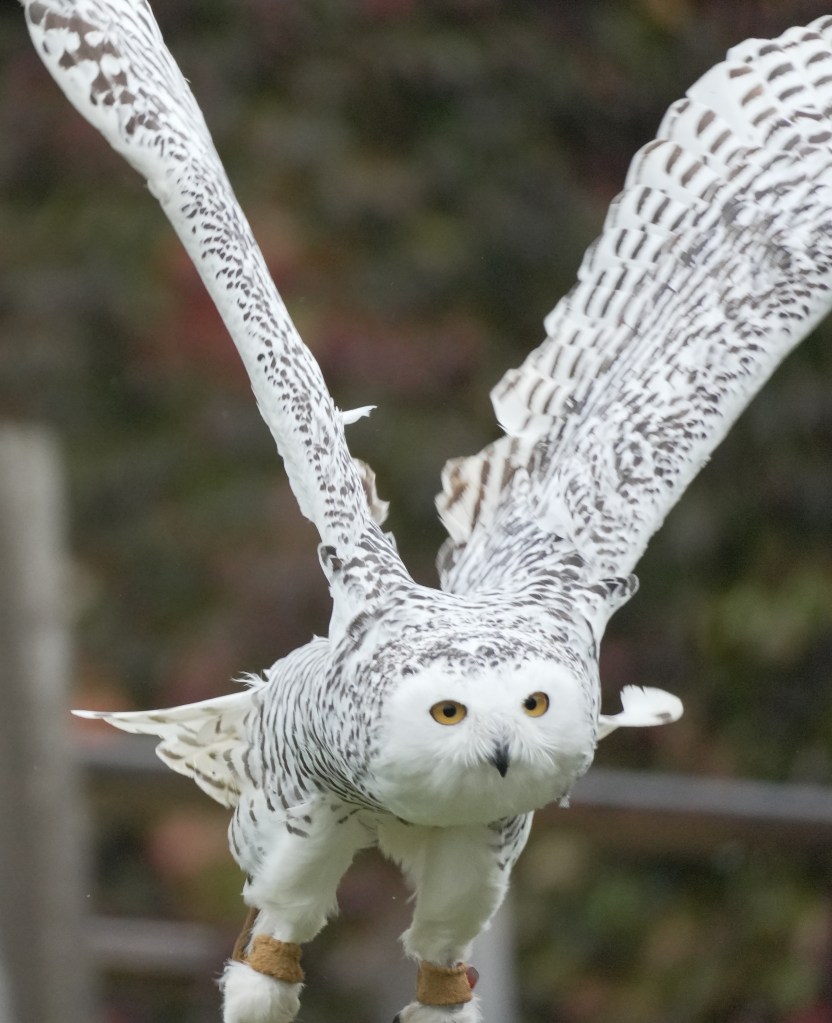
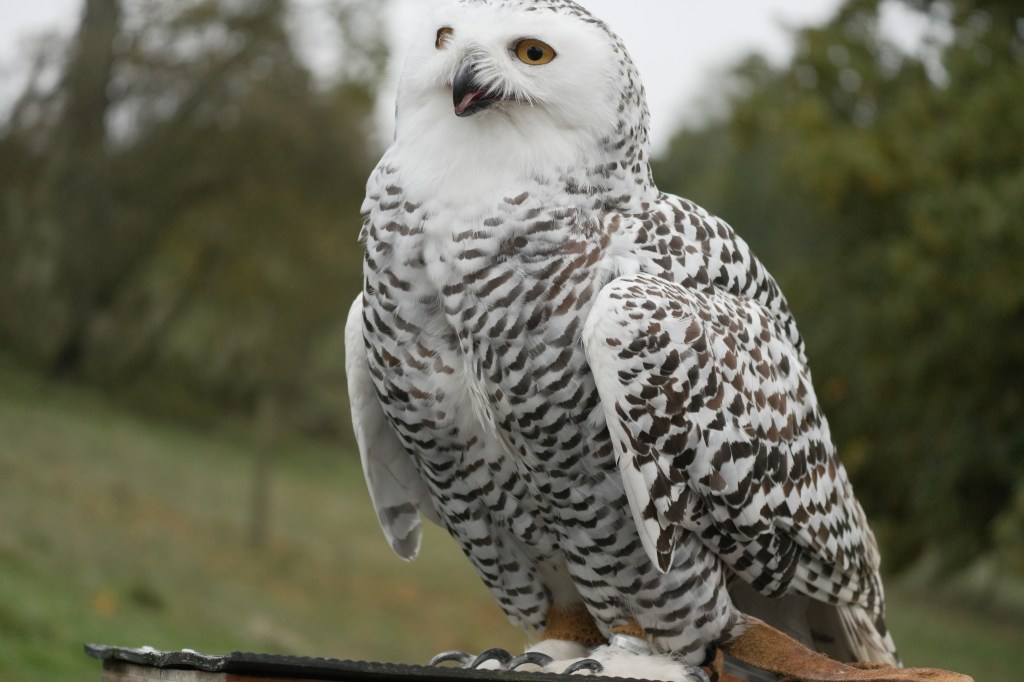
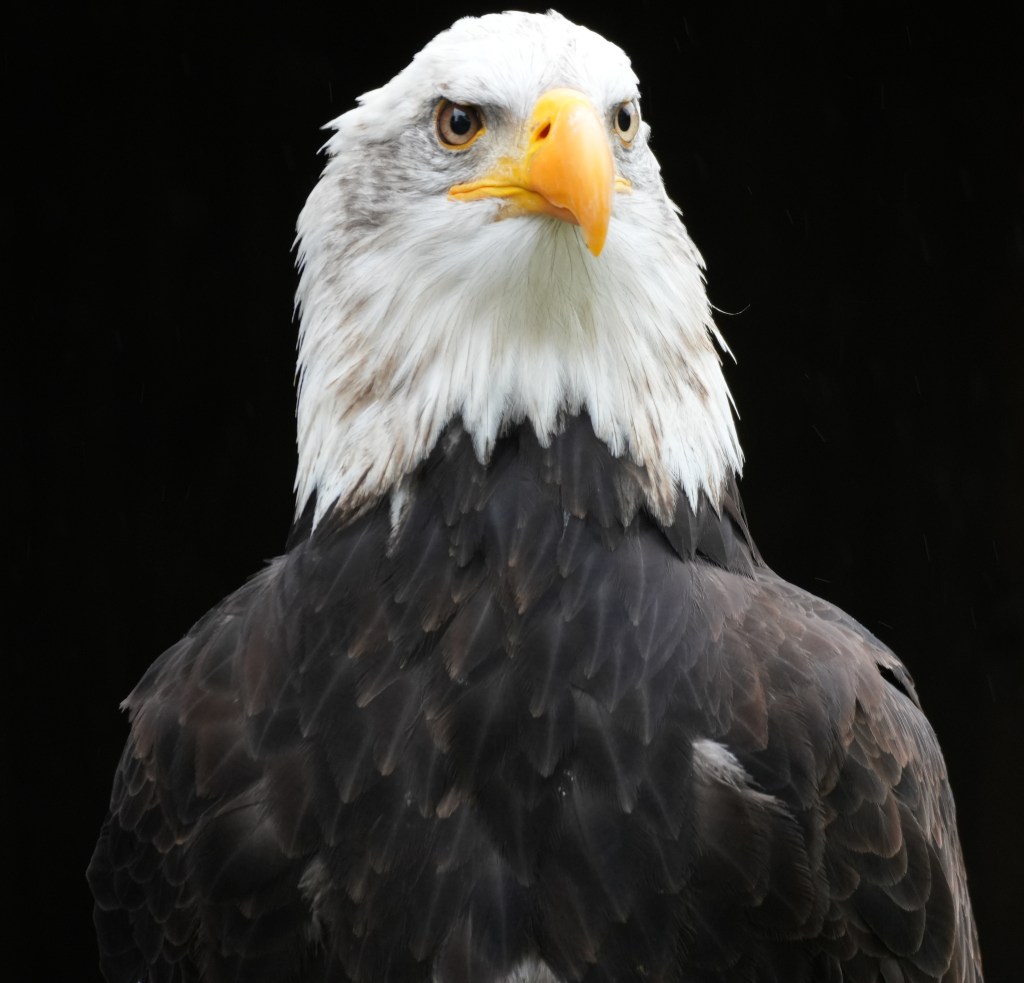
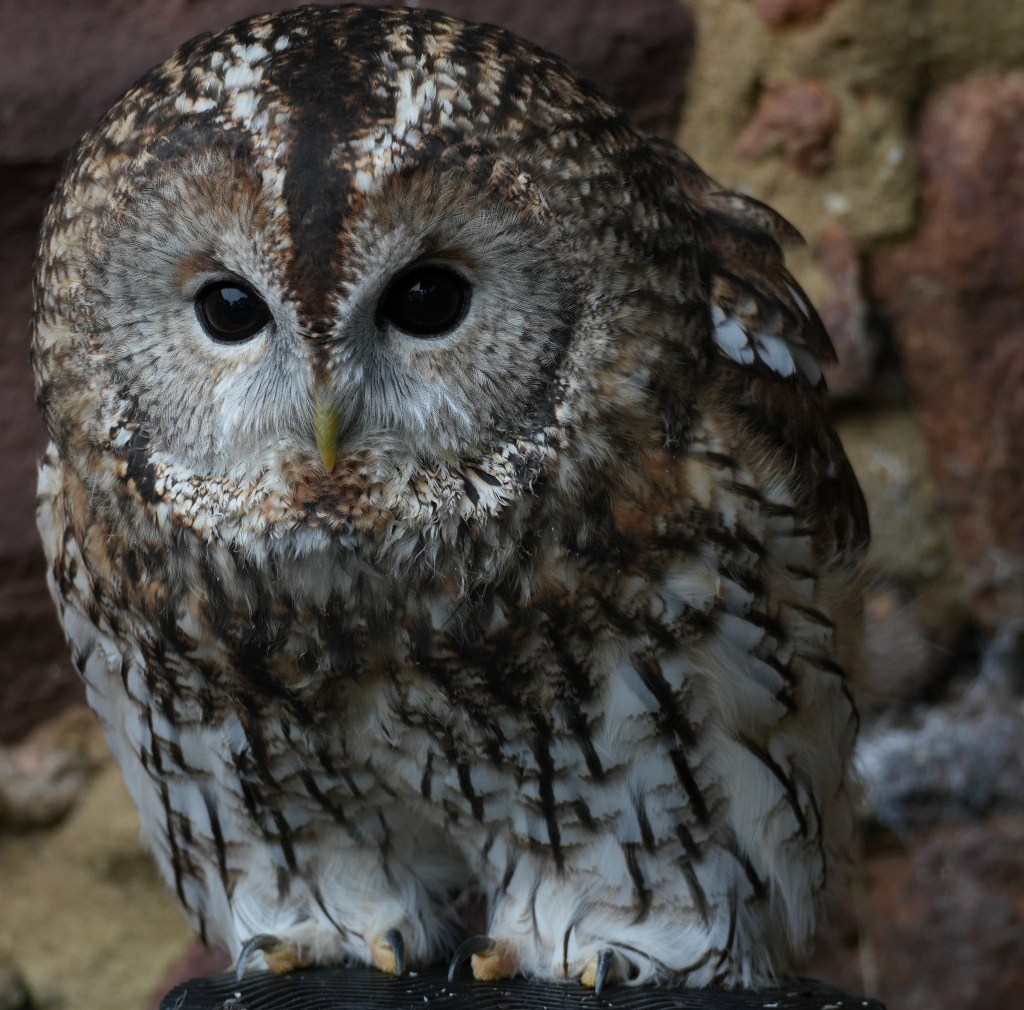
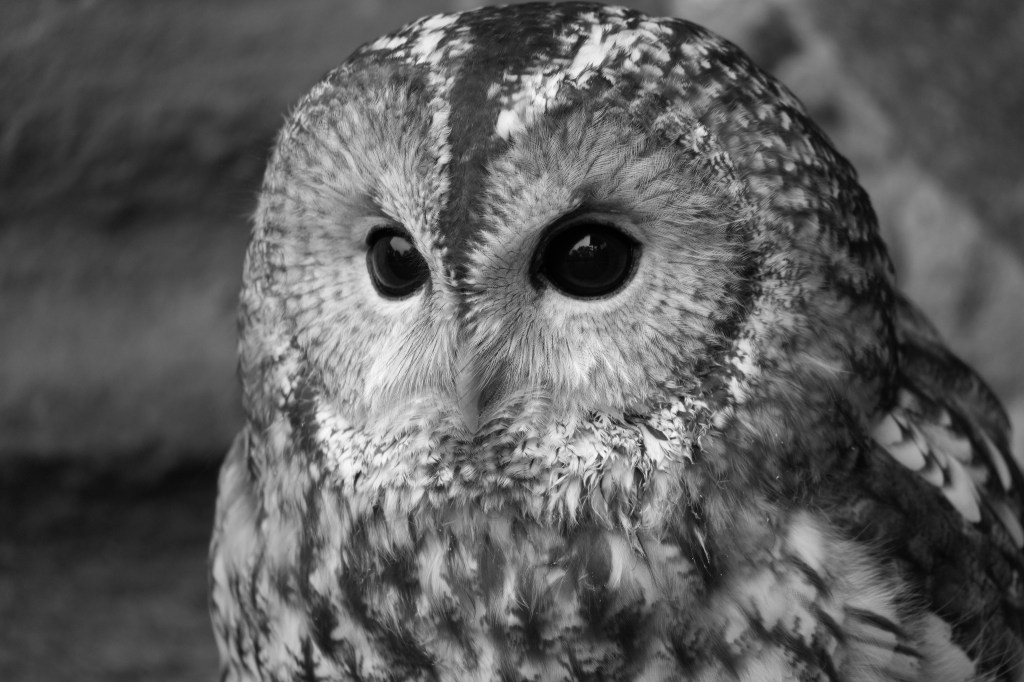
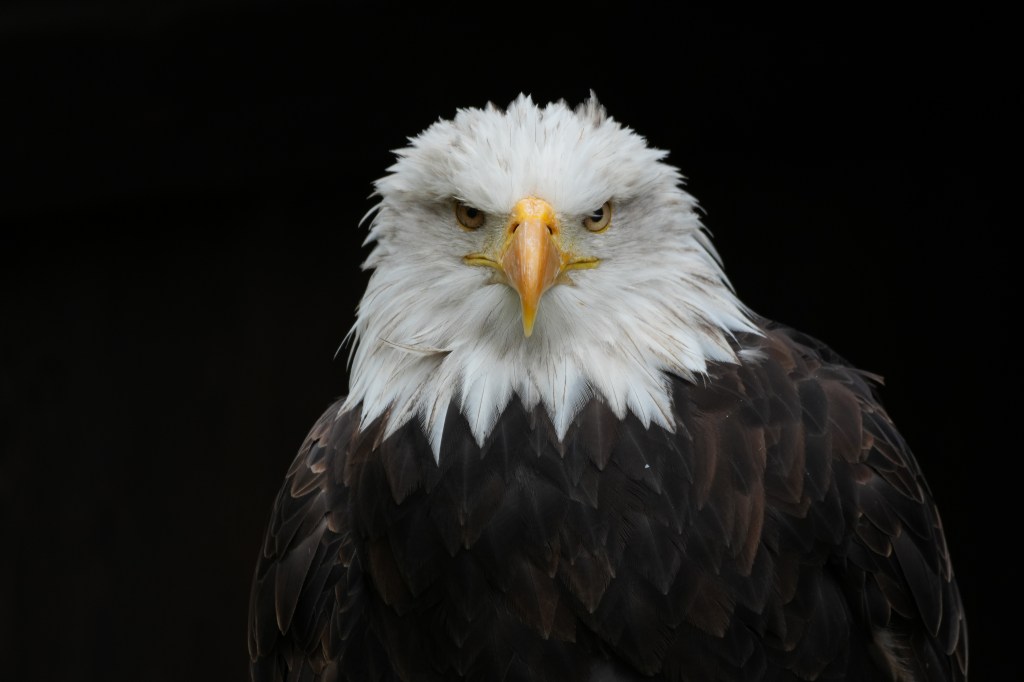
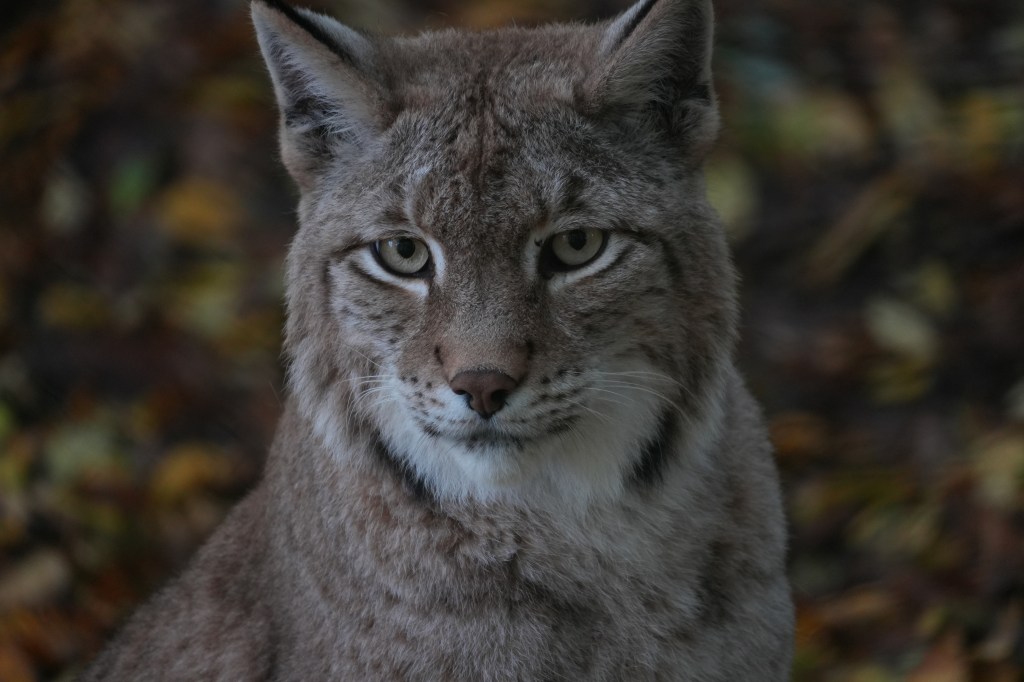
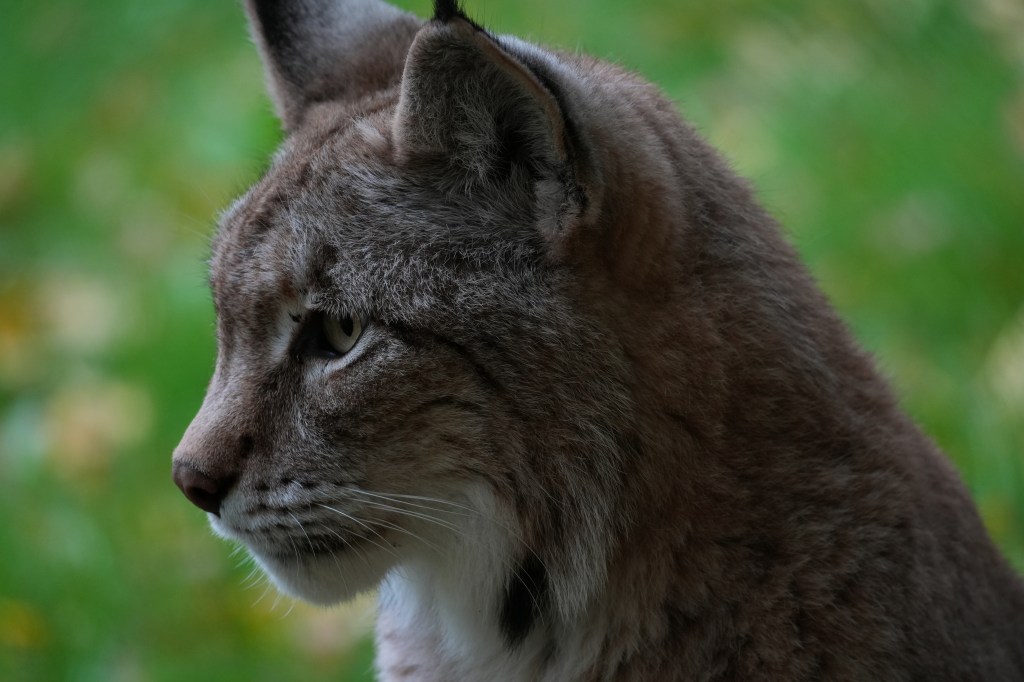
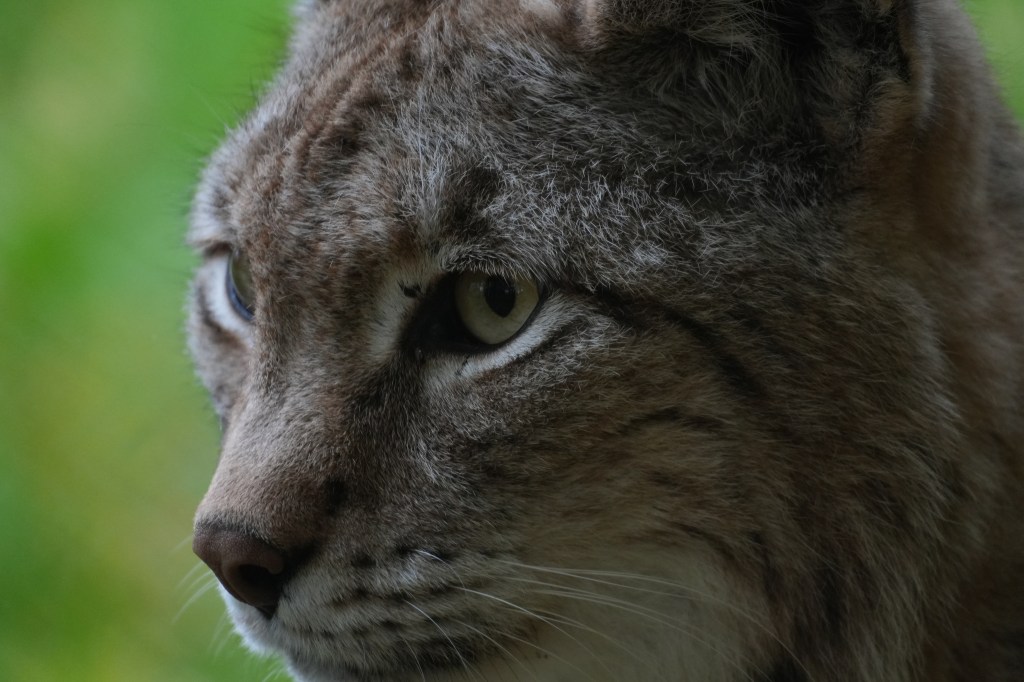
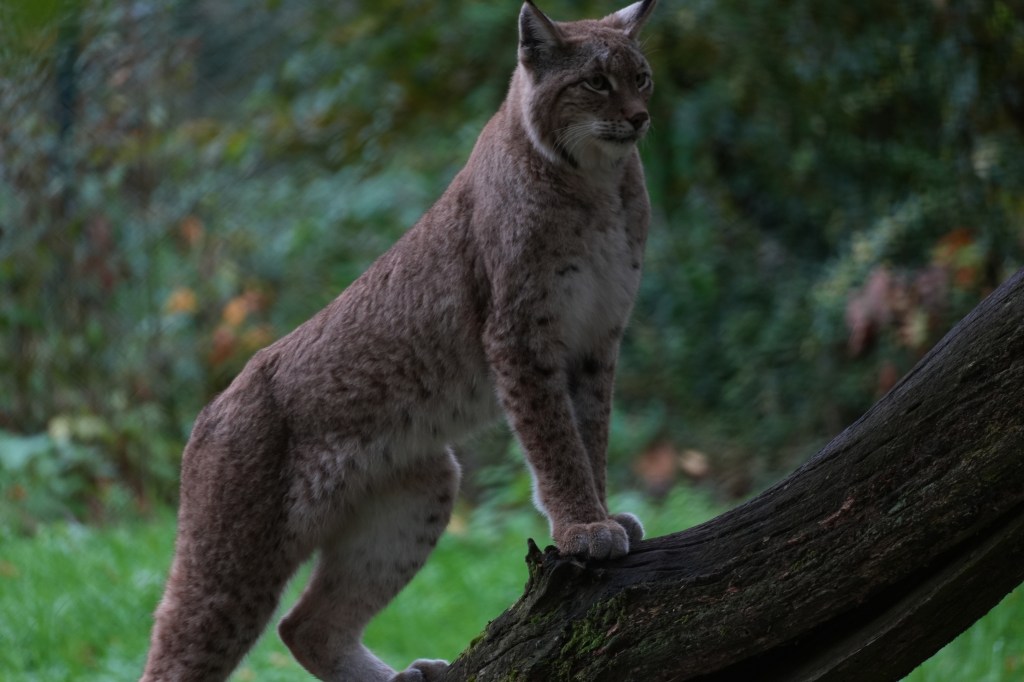
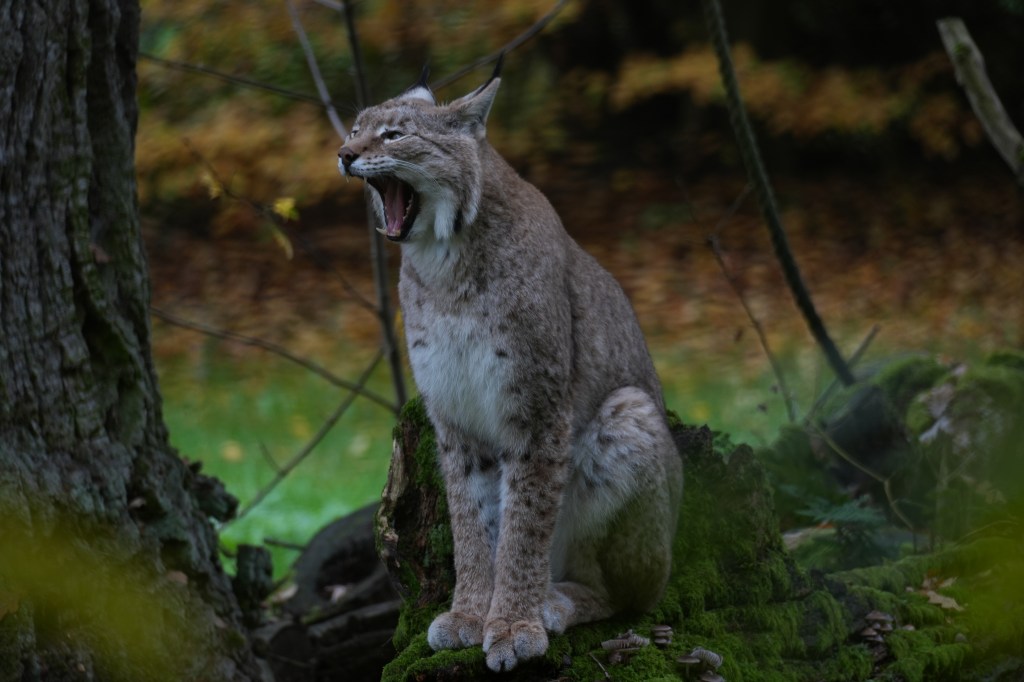
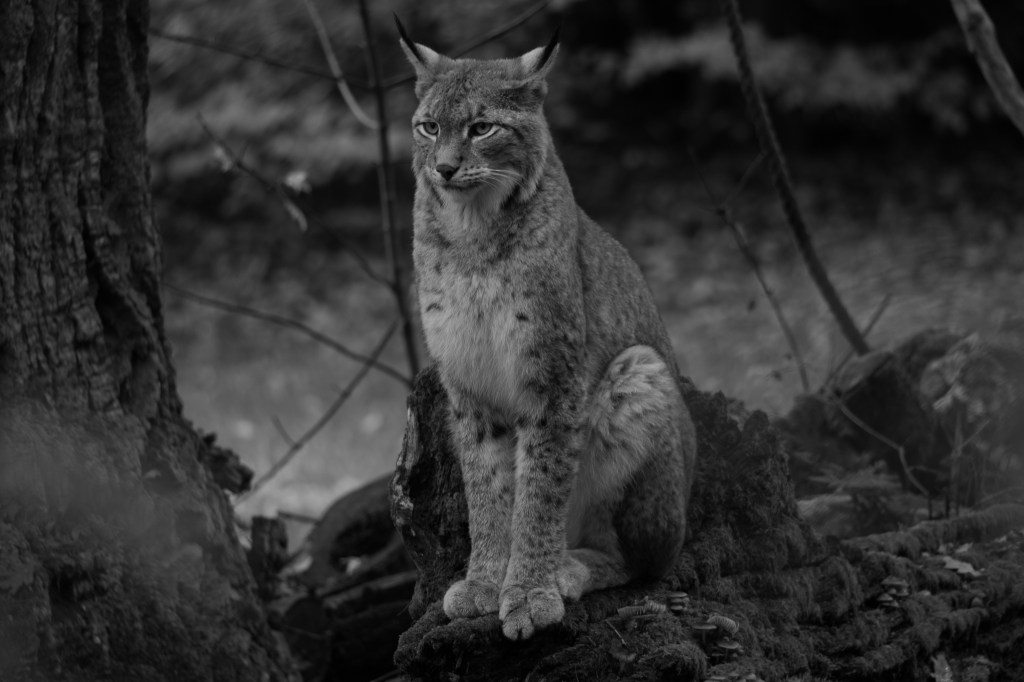
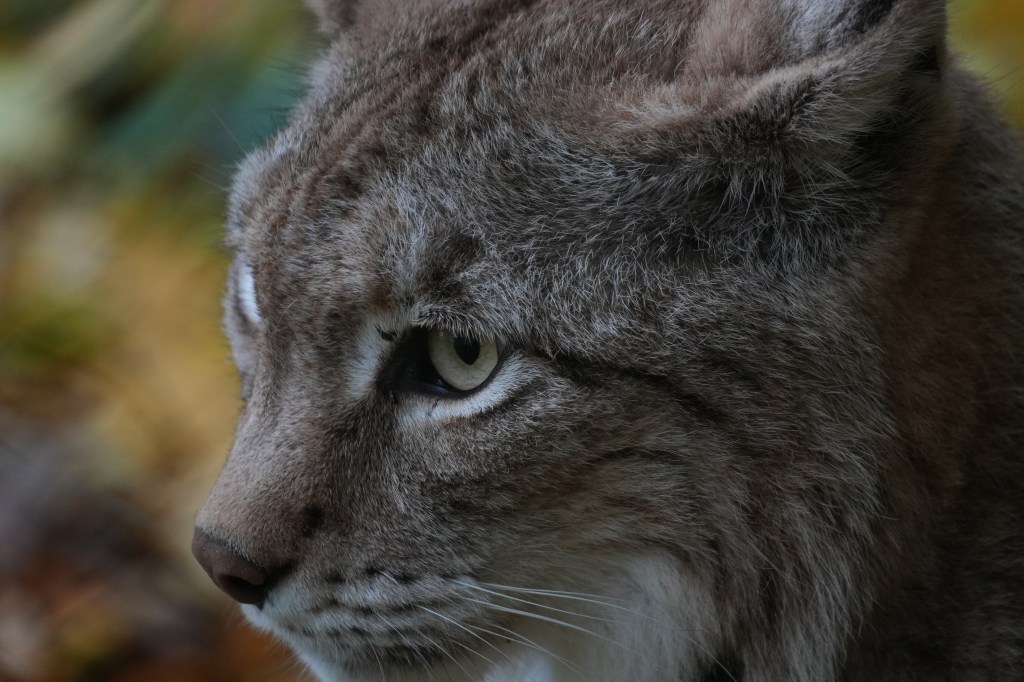
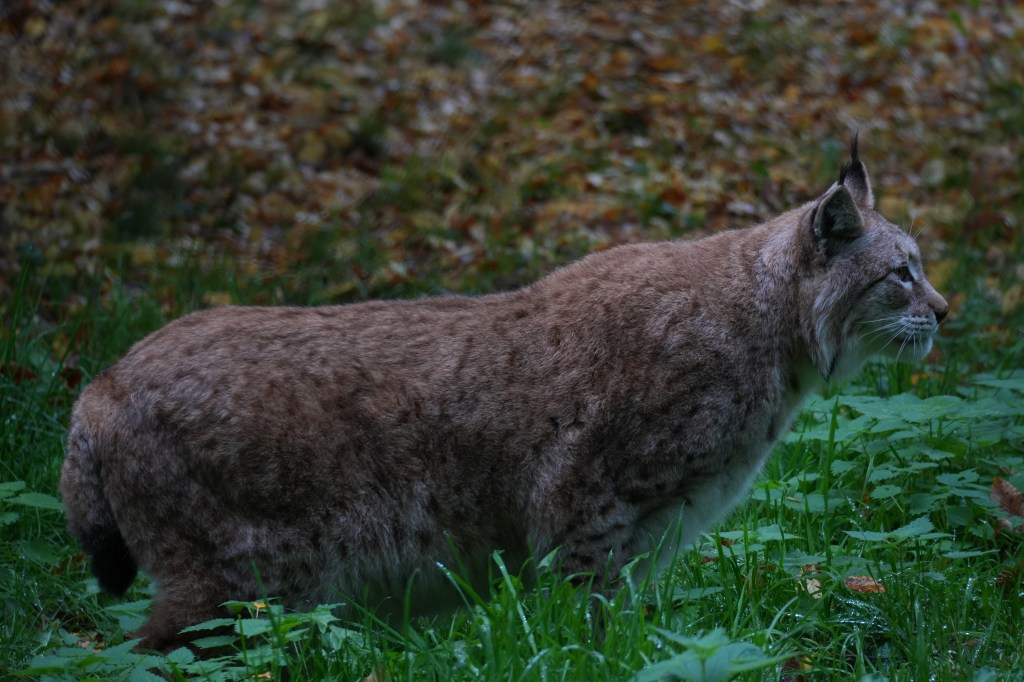
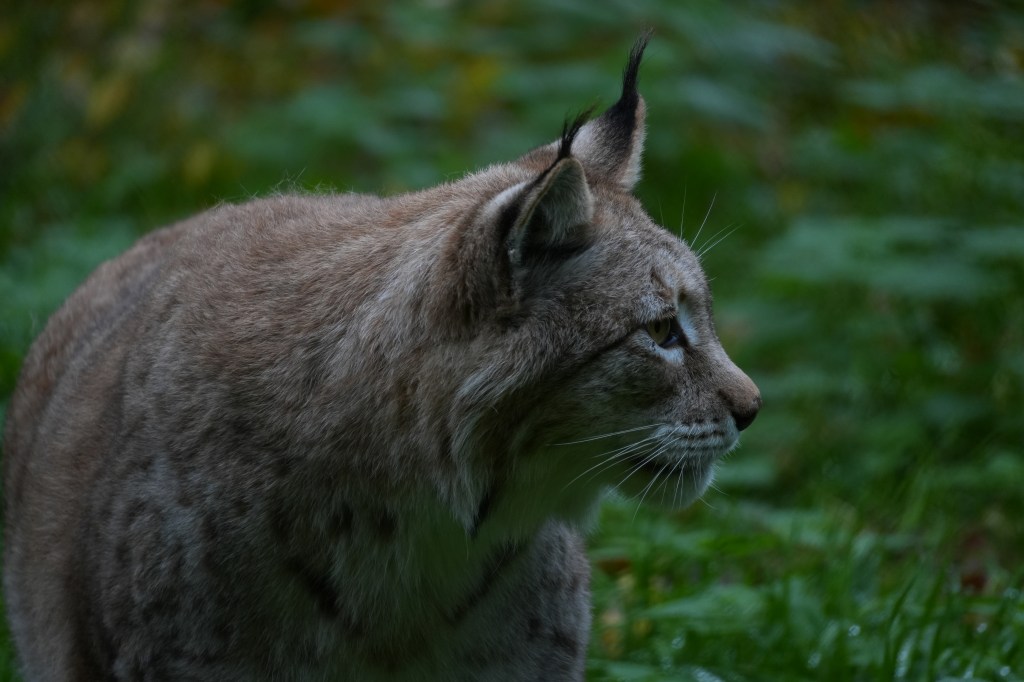
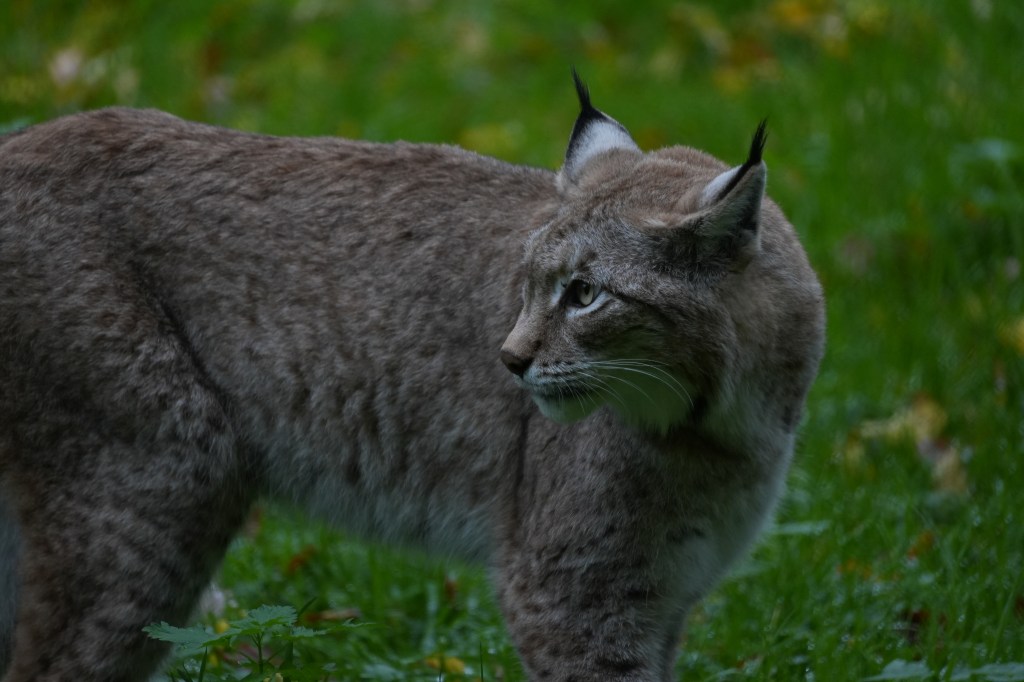
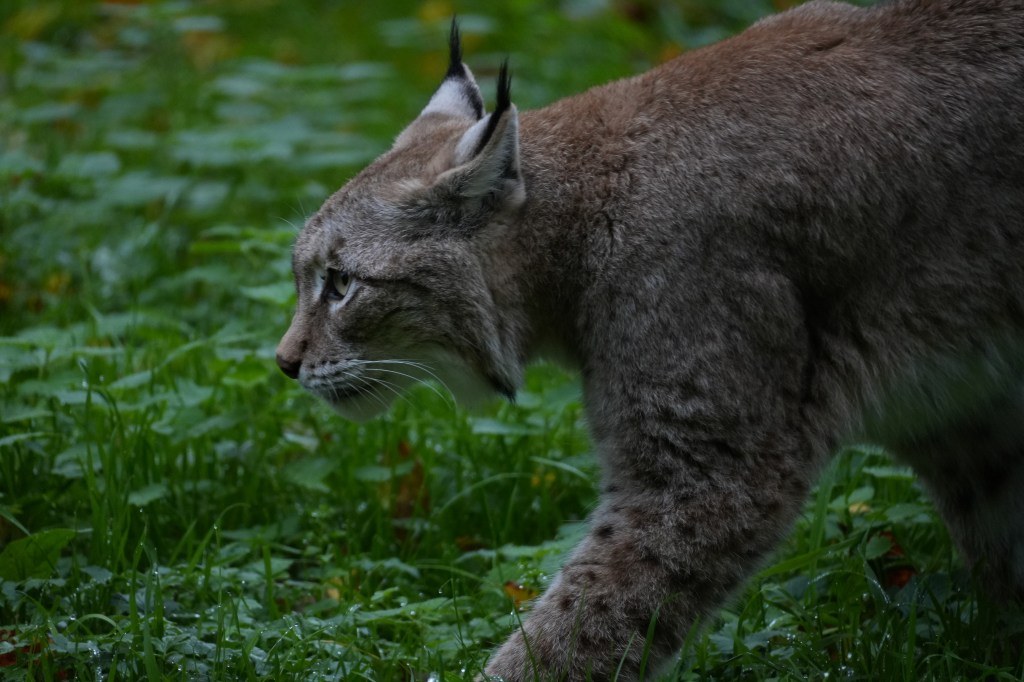
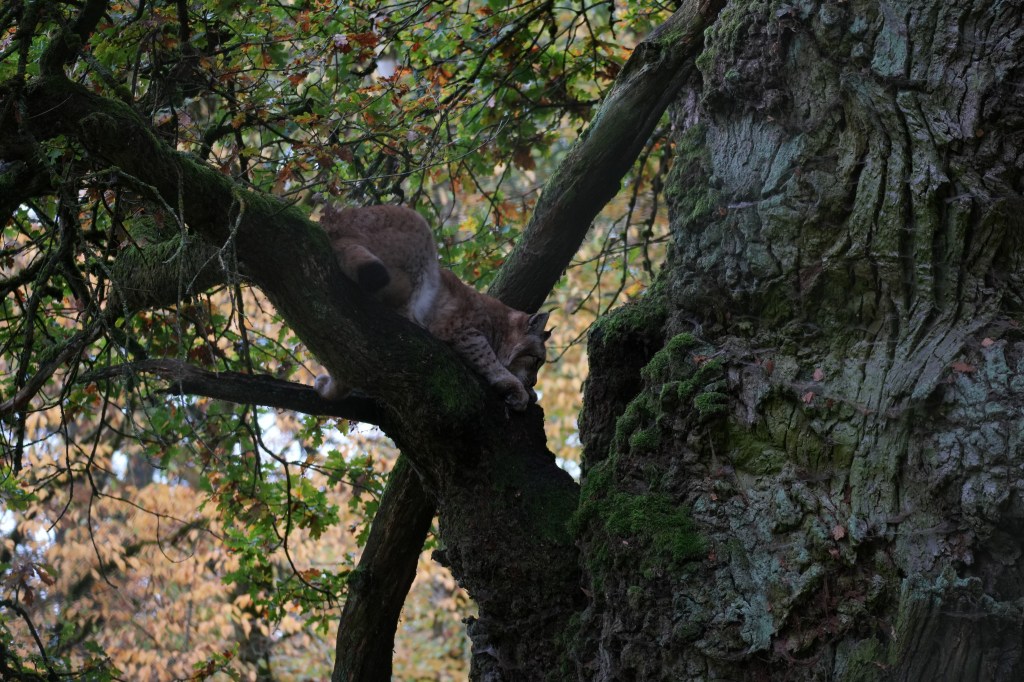
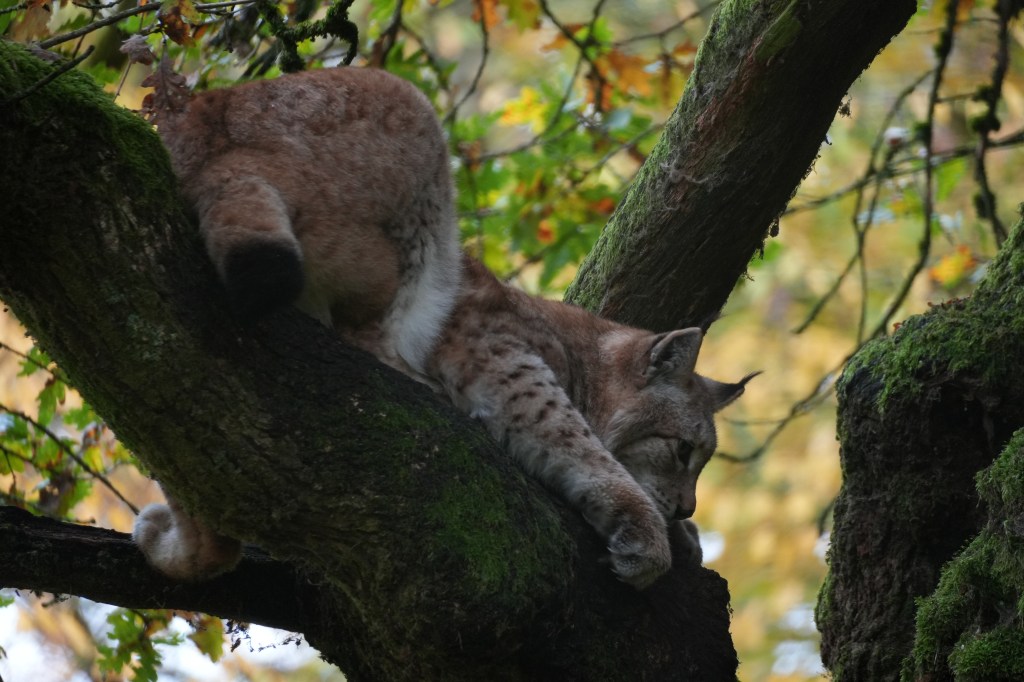
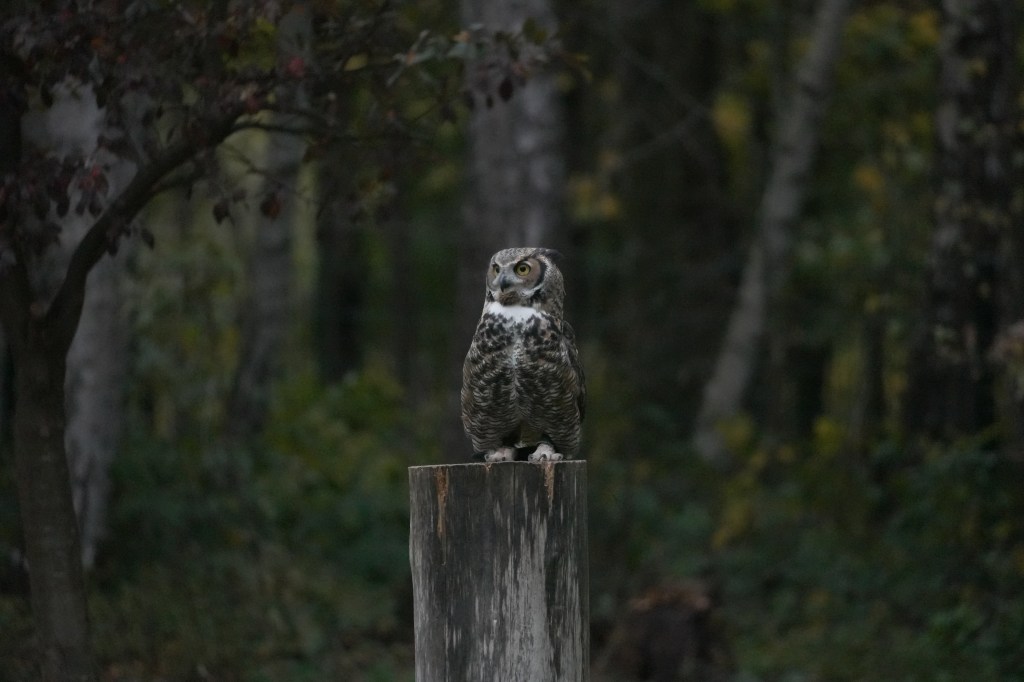
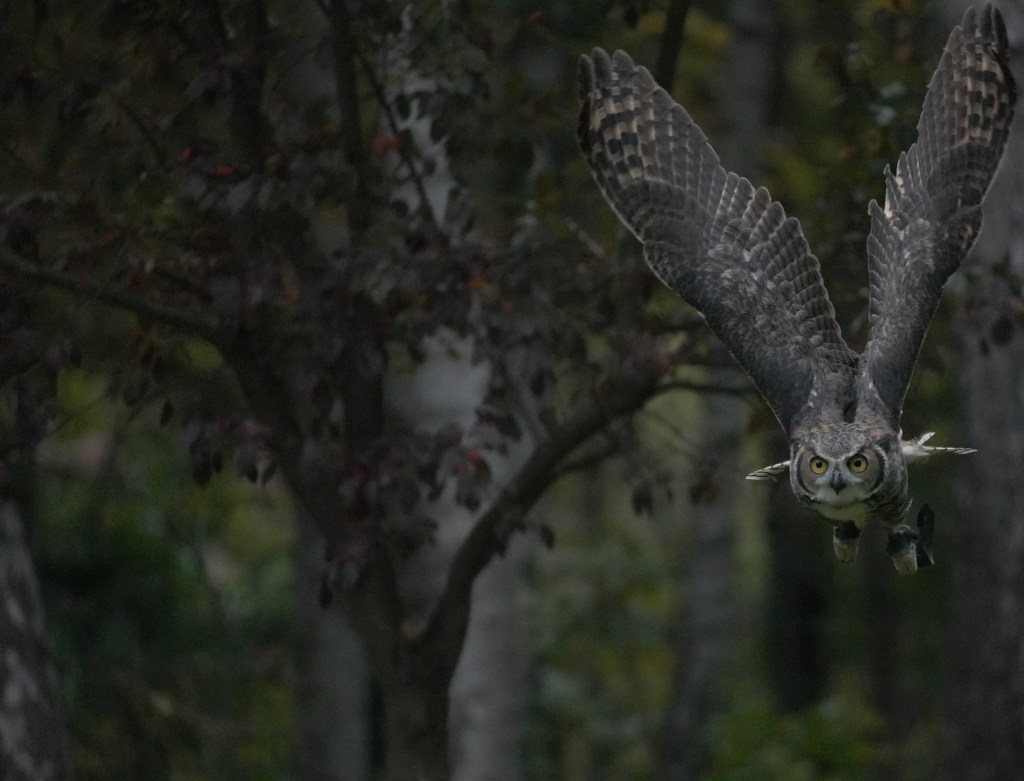
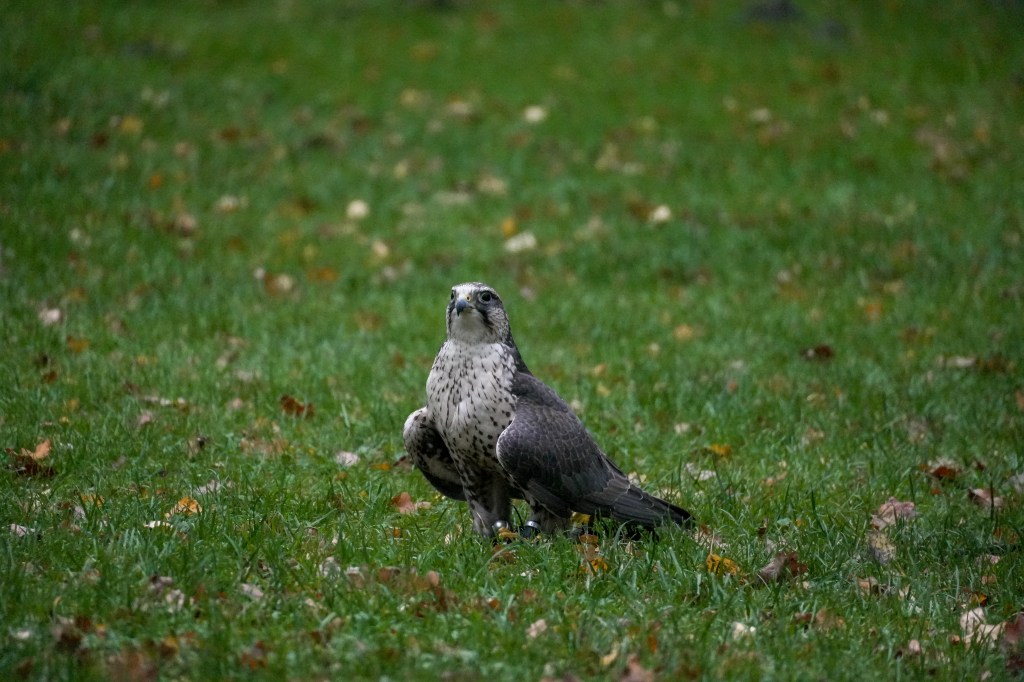
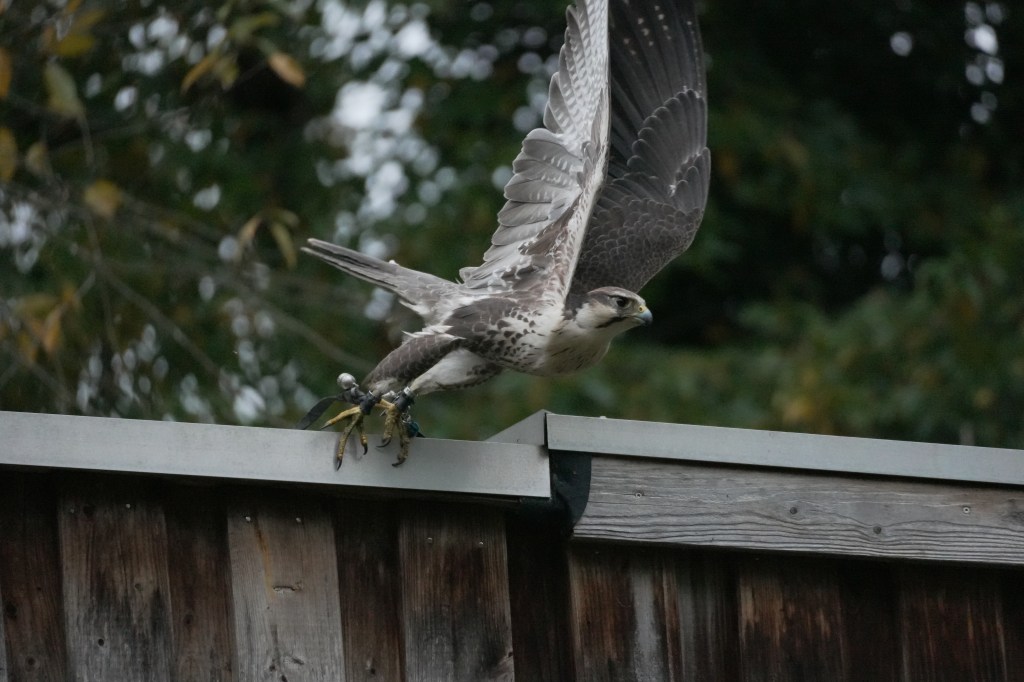
I was amazed by the lynx in “Tierpark Sabbaburg”, which came very close and were very active. And I also enjoyed the flight shows that 2 locations did. There is just something about predatory birds – they look so fierce! And the owls are just super beautiful.
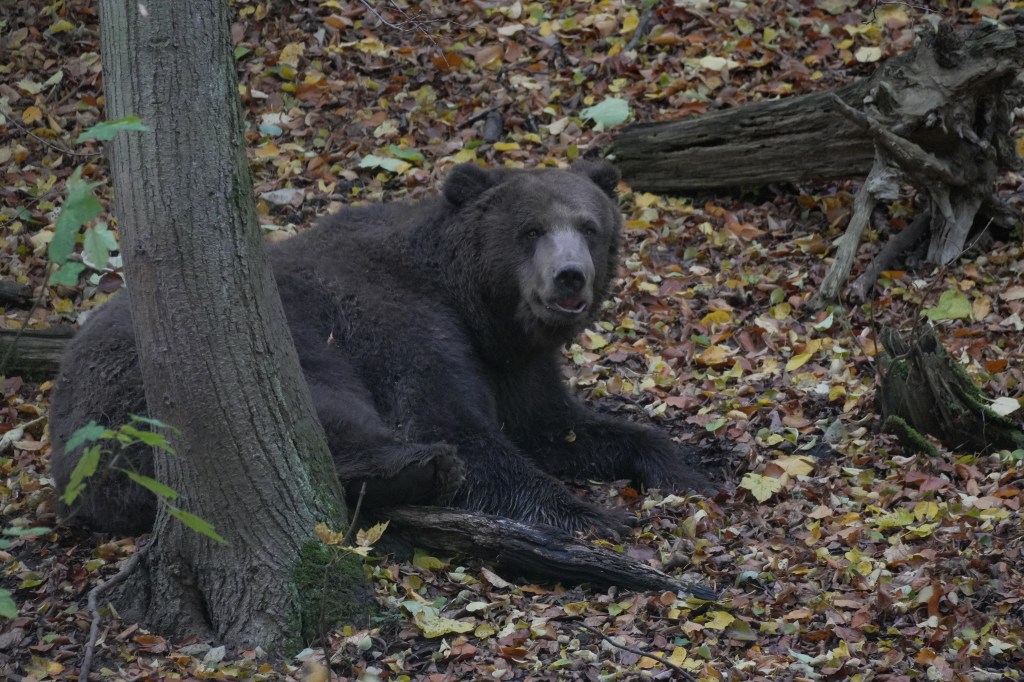
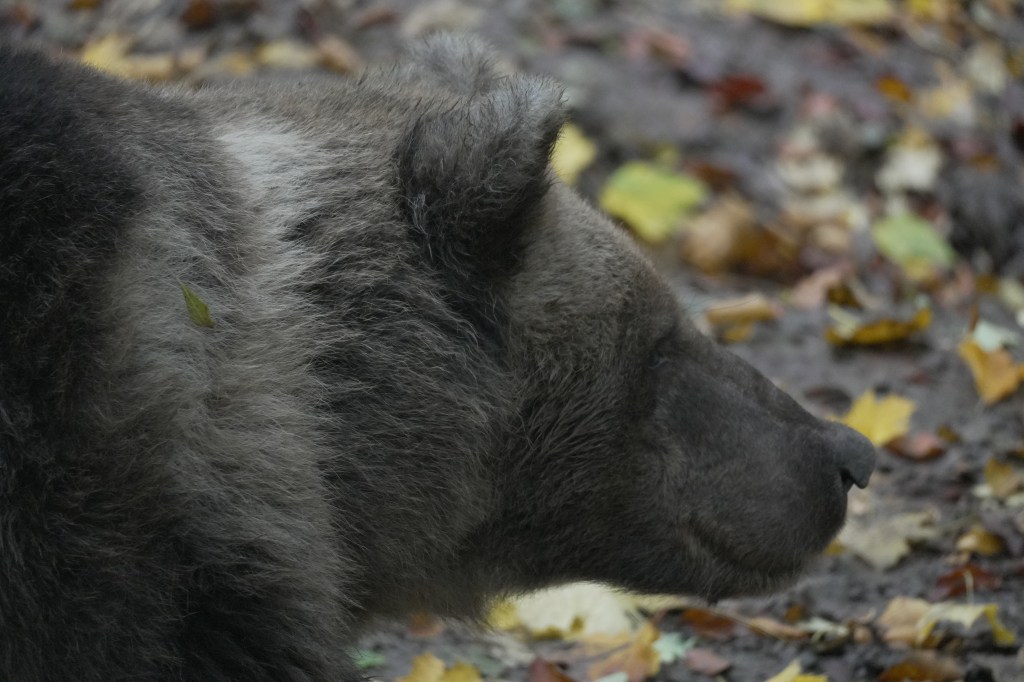
I can also recommend the “alternativer Bärenpark Worbis” where they explain a lot about “(nicht) verhaltensorientiertes Halten von Tieren”, which translates probably to (not) behaviour-friendly animal conditions in parks.
Time and location: Aug-Okt 2025, location: Tierpark Sabbaburg, Wildpark Müden, Alternativer Bärenpark Worbis.
Shot with: a6700, 25.6MP, sony 70-350mm f/4.5-6.3 mostly @350mm f/6.3, shutter speeds and ISO vary
I finally committed to investing more in this hobby: That means, i bought a camera and lenses (more information below) plus today I bought an editing software and a real plan and domain for this blog.
I also now finished writing about all my vacation experiences and am ready to share my first “good” pictures (of german wildlife, that i shot mostly on weekends). To fully finish up to real time now, I will group all those reamaining pictures to location and not date of shooting and will publish those over the next few days. My long term plan as of right now is to publish more frequently. I really enjoy going out with the new camera and think about composition, all the settings,…so I imagine, there is much to follow!
Taking me to this decision took a long process. The main step was to make an investment into fot-gear – the camera and the lenses. During this process I learned a lot through research, which I wanna share with you:
I decided to buy a decent APSC camera and a good lens. I got them in August just after my Canada trip – if you read everything, u understand why 😀 especially if you look at the phone photos.
I decided to go sony, because they seemed to be a little bit less expensive for what I wanted. Plus from them i could get a setup that i really liked.
First of all I decided to go APSC, because it gets me closer and get more effective focal length, which seemed to me most important in the beginning. In most of my earlier phone photos the distance was the main problem that i had. So i wanted to get as much distance for as little money that i could. That meant APSC and either the 70-350 APSC lens or the 200-600. The second one being more expensive (ca. 700€ vs 1500€ in Germany). I did some research and decided not wanting to pay 1500€ for the lens. For camera bodies I liked the a6400 and the a6700. The 6400 has everything i need, i just wasnt sure if i need some more Megapixels and the OBIS from the a6700. Plus the 6700 was newer with better menu and better autofocus. This plus the tipps below were basically my thought process, which lead me to the following choice.
I got lucky and found a good offer for the 70-350 plus a6700 and decided to buy that, and im still glad I did. Writing this just around black friday, its a little cheaper now. But I bought it for 1850€ new which was ok for me and I already used it A LOT.
In hinesight I should have rented first just to be safe, but the research got me hungry for the images I saw on research.
Afterwards i went out so much that I actually decided to buy the 200-600 too 😀 Bought that for 1475€ in Oktober, also new. And Im also still glad i did. I got a lot of nice photos that you will see over the next days and am all in all very happy with those choices. Im even thinking of buying another more expensive lense – its getting hard to withstand better image quality from the prime lenses.
Why not sell the 70-350? I wont ever i think. More on that in the following tipps for deciding what camera and lens to buy. Important note: Those are informations i gathered from researching and experiences of wildlife shooting experts on youtube 😀 All in all I feal safe to share this for hobbyists but be careful – im no expert and those are basically my opinions and not everything is based on solid research. The tipps are in order of importance to me personally.
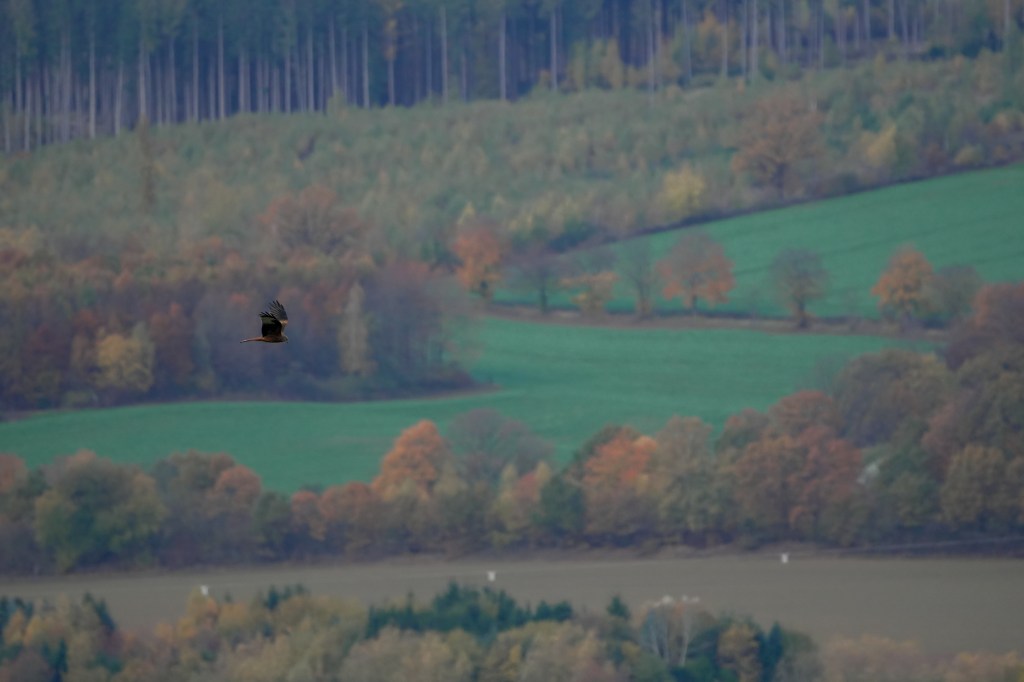
1.) Rent first!!! Thats cheap and if you wanna try a lot of different stuff, this gets u far. I got lucky that im glad with my choices but i definetly should have rented first to be sure.
2.) Try to make a budget if possible. That can help – i didnt do it though 😀
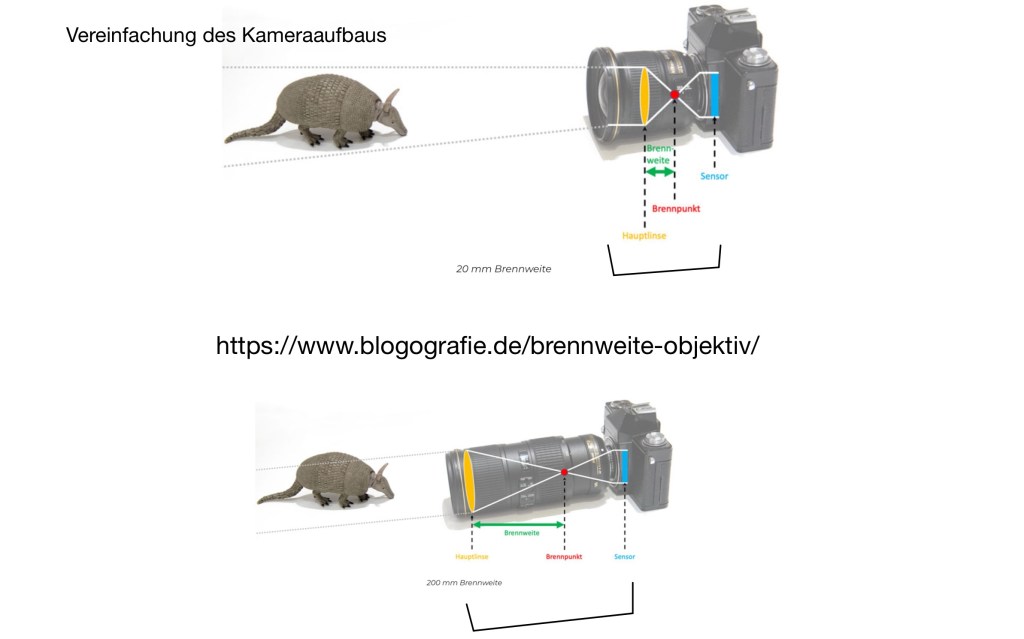
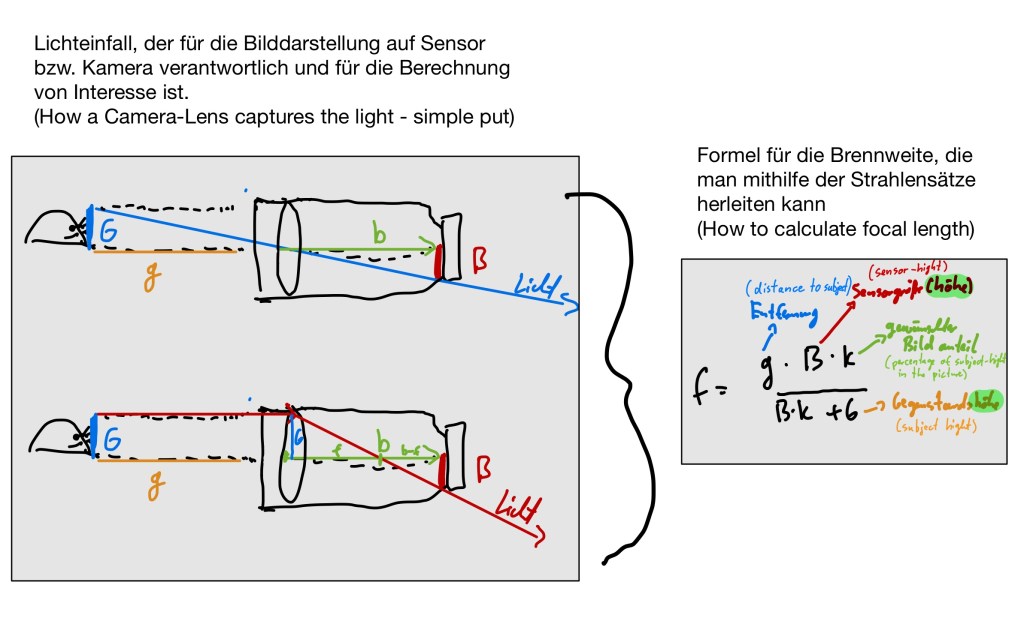
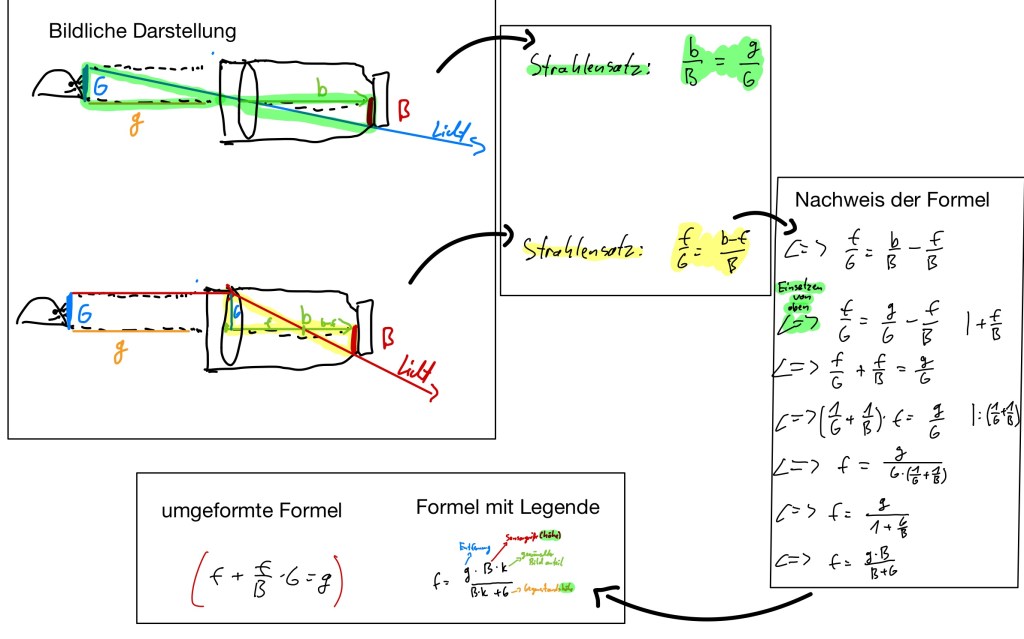
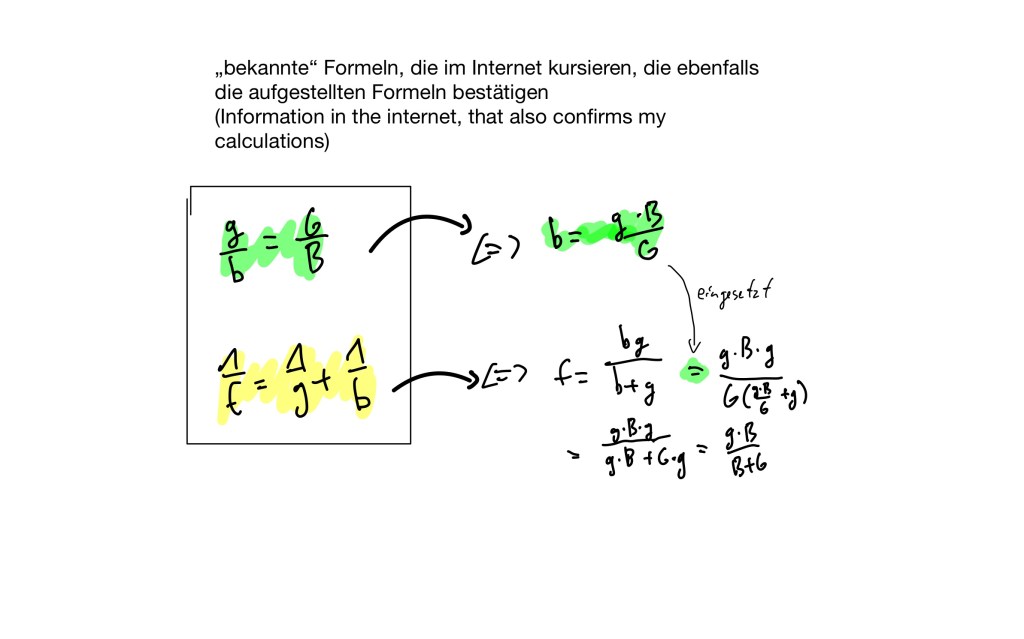
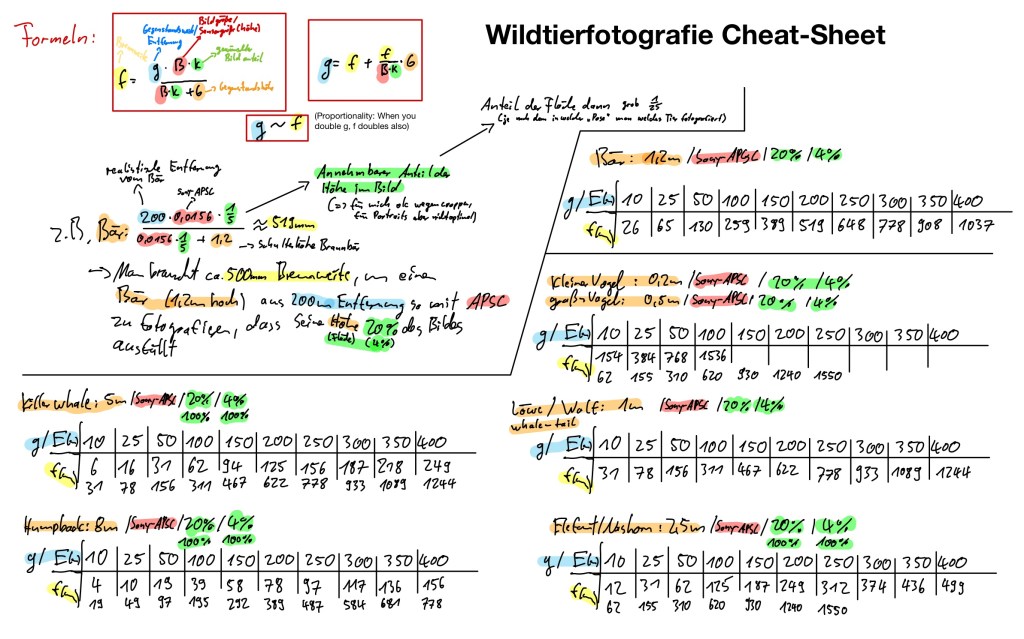
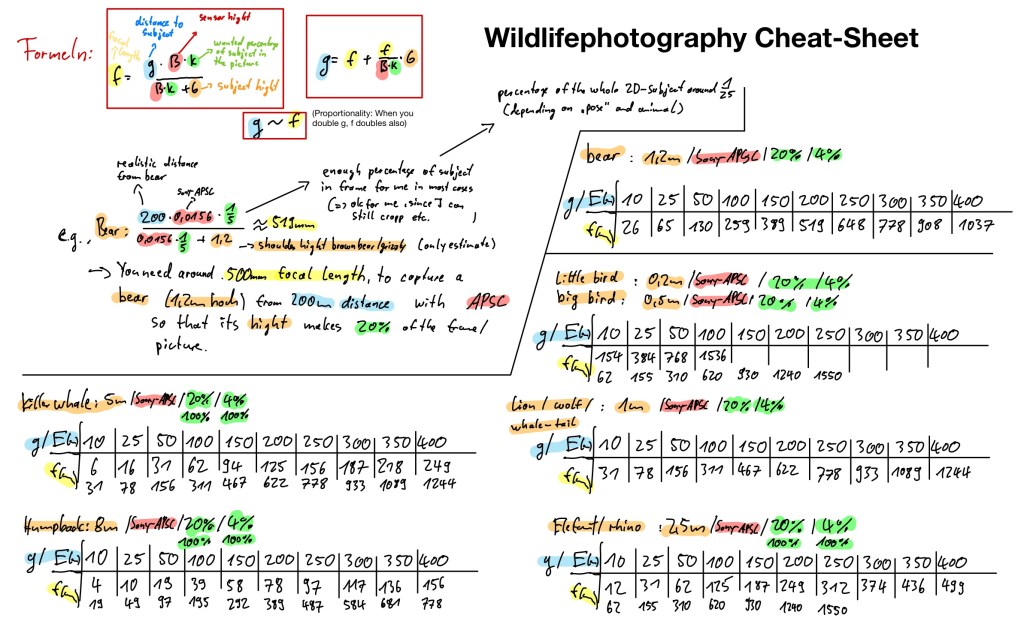
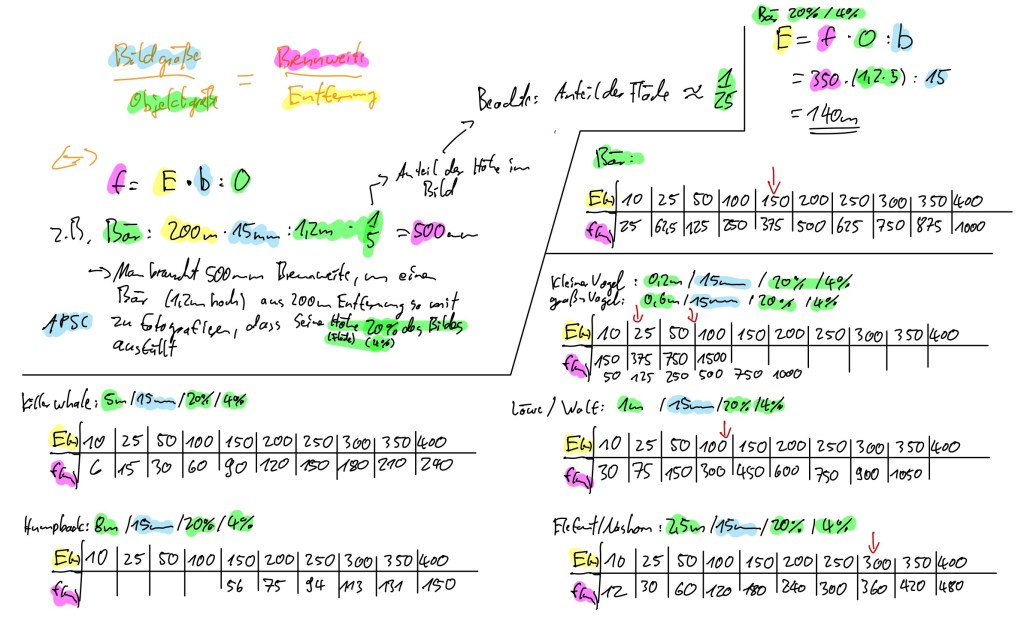
3.) Think about what u wanna shoot and do research! Since u are reading this blog I guess u are into wildlife as well. That means u need to decide between close up macro (frogs, insects,…), generally bigger animals or small birds. All of those have different focal lengths that would be better. I did some calculations:
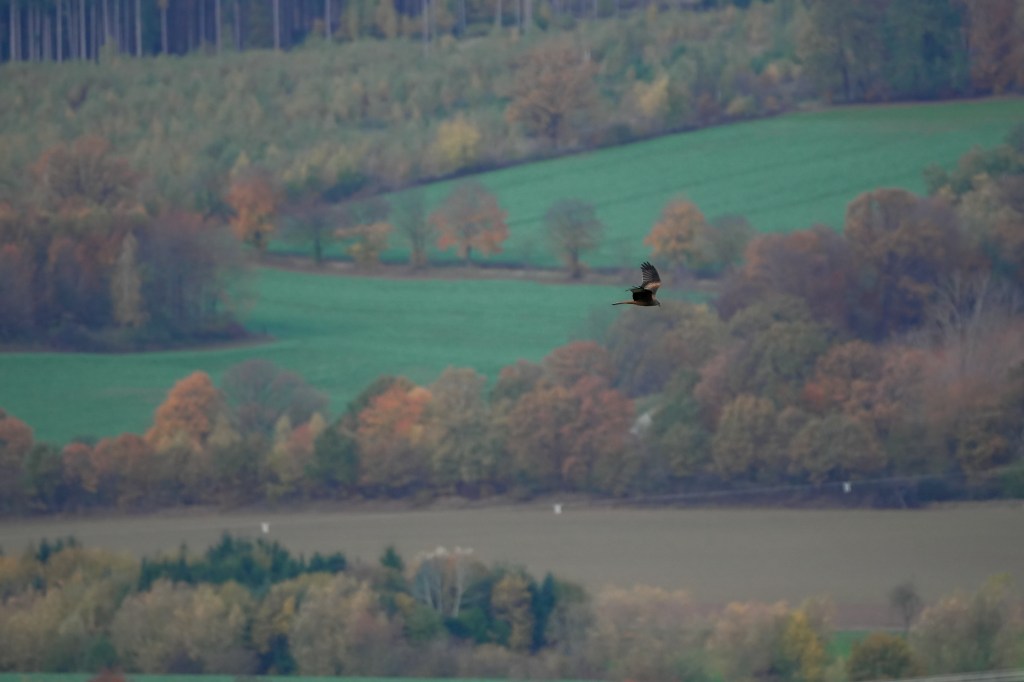
(should be accurate but I didnt double check)
Summarizing: specific macro lenses for macro; and at least 600mm for small birds. I dont wanna limit that more, because there are more factors that influence the focal length: For example: How close can u get to the target? The close the less focal length needed. How much megapixel does your camera have? The more MP, the more you can crop the image, thus “get closer”. Which format are u shooting? If you shoot smaller format than fullframe, for example APSC, then your images are smaller and thus closer to the target (most fullframe cameras now have an APSC mode. For example the 61MP R5 from sony has i think 26MP in APSC mode, which makes it distance-wise equivalent to the a6700).
This also means, u need to decide if you wanna do mostly photo, mostly video, both photo and video, or not decide yet. Your camera body decision might depend on that, plus in filming the zoom option is important, which of course requires u to get a zoom lens then.
4.) Look for the lense first, and then the camera. Also lense options are important too. For example only canon offers a 200-800, and sony does not yet.
5.) Decide if you want zoom or not. In wildlife shooting there are multiple reasons to prefer zoom. For fast and expecially smaller animals like birds u can zoom out to find the animal and then zoom in on it – BUT: I read with experience this gets less important. With zoom u also are more flexible if animals come closer to you. On the other hand the zoom option in general makes the lense heavier (see below for weight). Also non zoom lenses are supposed to be sharper, but i dont know why or if that is true. If you decide for zoom then watch out if the lense has external (it pops out) or internal zoom. Internal has the advantage of mostly having to do less turning to zoom, you can stay steadier when zooming (especially important for filming), and its more dust/water sealed. On the other hand most external zooms are less heavy and less expensive i think.
6.) Decide the minimum aperture you need. This depends on the time and wheather conditions. If they are mostly bad, then you need a low aperture. If not or its mixed, then this might not be of that much importance. But still: The lower the minimum aperture of a lense, the better low light performance. This also depends a lot on your budget, since lower aperture lenses mostly are very expensive, if you dont wanna trade it for reach.
7.) Weight: You might think this isnt important because you are strong or whatever 😀 But trust me it can definetly matter a lot. First of all u need to think if you see yourself only handholding, mostly with monopod/tripod (which doesnt mean that u have to stay at one spot!), or being flexible and open for both. If you see yourself not mattering a monopod or tripod in general, then weight shouldnt matter to you. If you know that you will also have the option to use natural pod (stone, wall, wood) then u should also be fine, not mattering the weight. If you arent sure yet or if you can definetly exclude tripods/monopods, then you should test it (e.g. by renting) what u are comfortable holding. I myself are fine holding the 200-600. To be more precise: Im fine holding it with screwed on handle+ peak design strap attached+a6700 body (approximately 3.1kg) in my hands for 2-3min at a time. I always drop it down and let the strap and my shoulder take the weight whenever i can. But I myself plan to do more workout to be sturdier. Plus I expect when my energy runs out i tend to not being able to hold the lens steady with messes with the image sharpness of course.
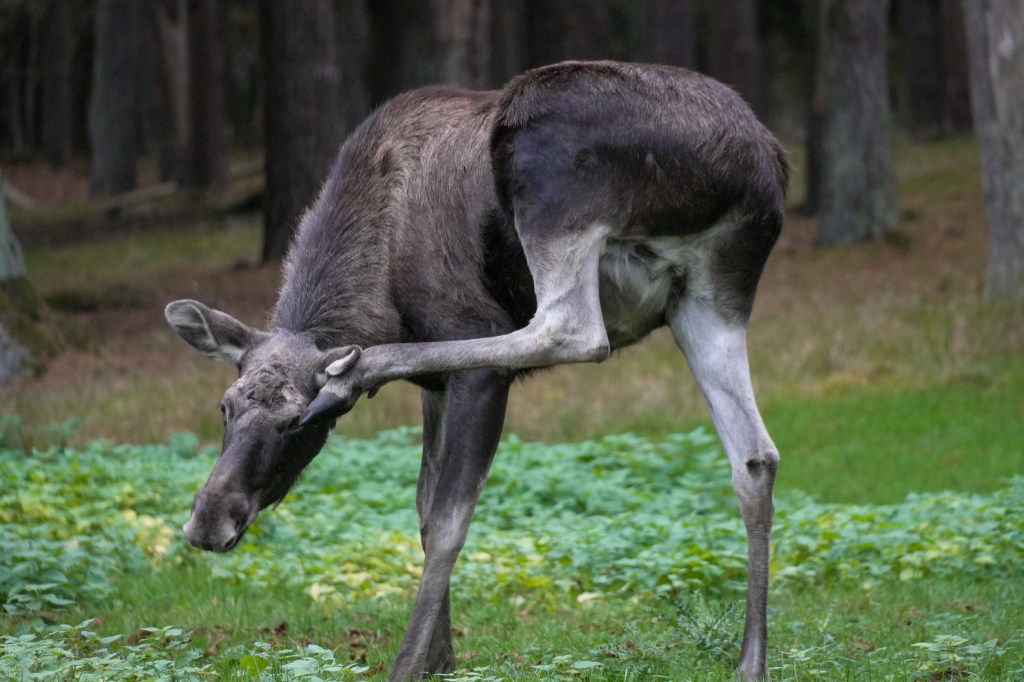
Also i myself find: Less weight, more fun: You are just more flexible and it feels more relaxed. Directly comparing the 70-350 with the 200-600 shooting with the 70-350 makes more fun because of that. On the other hand the weight of the 200-600 (plus a little bit its optics and price) makes it feel more quality and makes yourself kind of feel more professional 😀
8.) Appearence: This might be situational but i wanna share this since I find it influences me: When I go out with my black and short (exspecially when zoomed out) 70-350 i wont really get looked at from people. That is because the color black blend more in in general, and the length/size doesent seem to attract attention. When I go out with the 200-600 on my strap I definetly feel looks of people which annoys me – but that might be a personal thing. The lens just stands out with its white color and size. I even find myself waiting till im out of sight to get my camera out of my backpack. And in some cases that made me miss some shots. I dont think this should influence your decision very much but I recommend thinking about locations where u wanna shoot and how many people there are. Plus: If you have a partner that you like to go to places where u might wanna also shoot – If they dont share ur hobby (yet), then they dont usually wanna walk around with some bird nerd besides them. Trust me, my girlfriend has less problems with me when i carry the 70-350 than when i carry the 200-600.
9.) Length: The length of the lens should imo influence your backpack choice and not the other way around. But if you shoot often from cars for example, this might be a problem. Also if you fly you might have to consider carry on restrictions. The length should in most cases not be an issue though.
I hope these tipps, that i collected are helpfull to you. Having some experience now, i definetly see advantages of weight and minimum aperture now, which i didnt see, when I bought my equipment. One more reason to rent first!
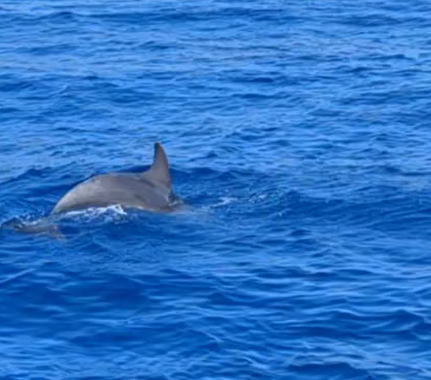
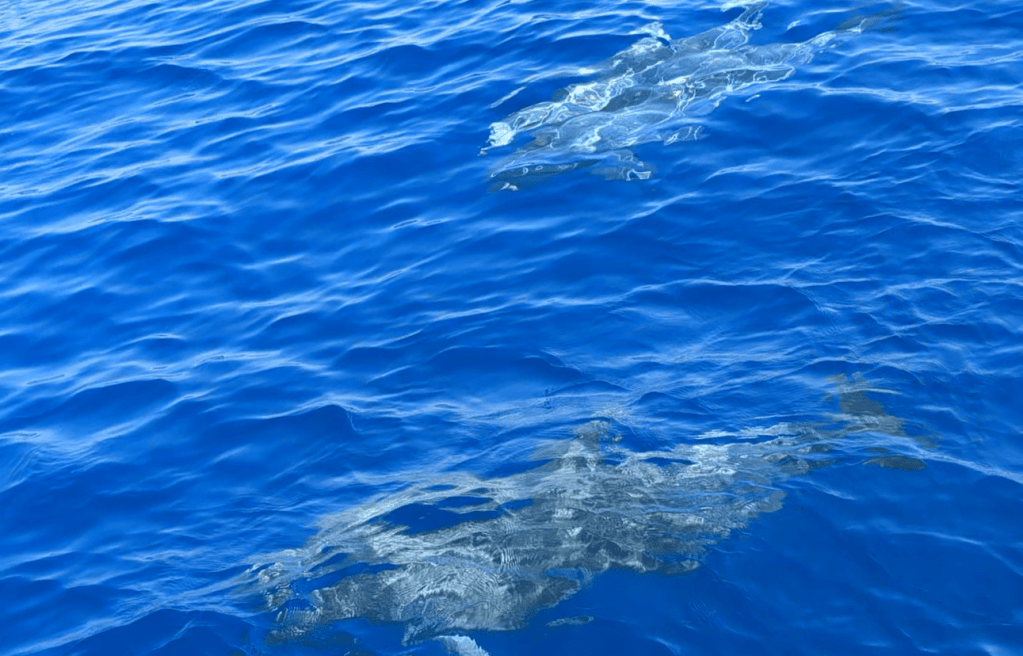
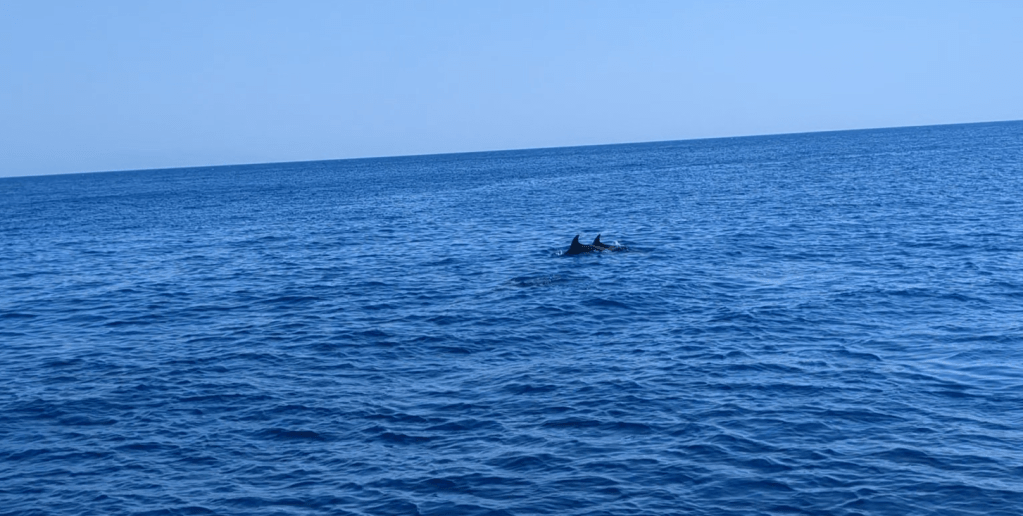
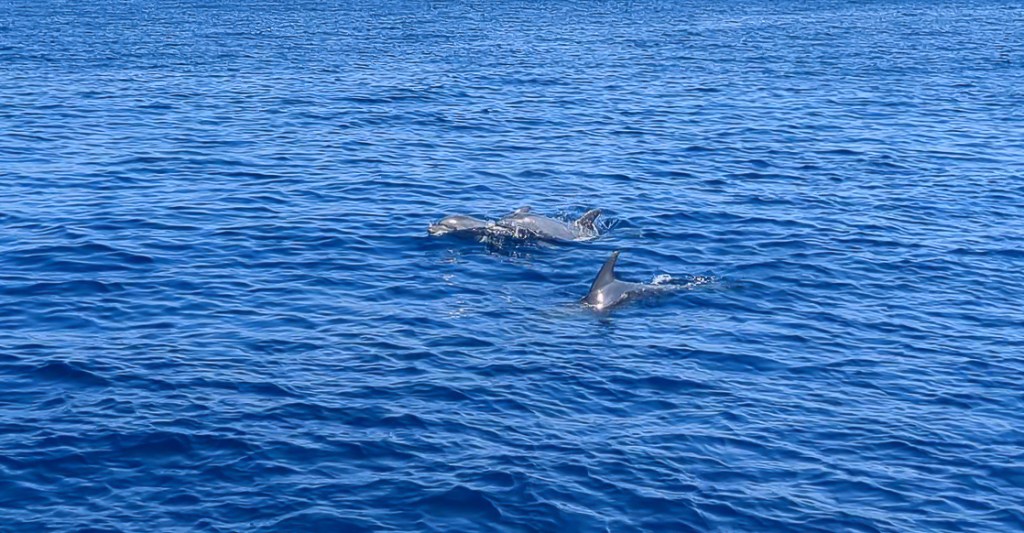
On an all inclusive Rhodes vacation in summer of 2025 with my girlfriend I just could not not do some wildlife – especially if Rhodes has one good dolphin watching opportunity!
We went with the company Blutopia. on a snorcheling boat trip to the island of Makru in the northeast of Rhodes Island. There is pretty much the only place, where you can see the dolphins, since there are some fish farms, that the dolphins try to feed on.
The boat trip departed from Kamiros skala, which you can best reach by rental car, if you are in the main all-inclusive hotel areas in the east/south.
Having missed the big white sided dolphins in Canada (which are not as common there though), i was looking very much forward. In fact I was the first one out of probably 40 people on the boat to see the dolphins, since i was constantly scanning the area.
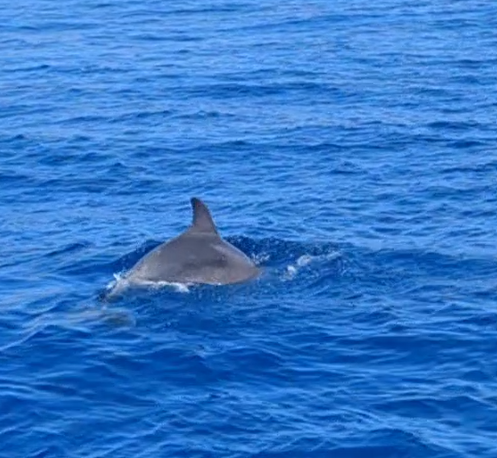
I extracted the pictures again from video, which are better quality this time, because the dolphins came pretty close to the boat. My favourite is the last one, where you can see one eye 😀
Other than the dolphins we actually saw one big sea turtle very briefly but unfortunately i didnt catch it on camera. Some other people saw an octopus while snorcheling – so all in all the boat trip out of Kamiros skala is a big recommendation, if you go to Rhodes Island!
Note: Most fish farms are not very ethical, the ones on Rhodes Island seem to be just a few though, so there is no gigantic overcrowded fish farm area, like what you might know that term from bad press on social media.
02.08.2025 Google Pixel 6a, 4k Video, unzoomed but cropped
Location: Rhodes Island (Greece), Kamiros Skala / Makru
This was another wildlife Highlight of my 2025 Canada trip for me! I saw Grizzlys!
We went from Telegraph Cove notheast to Knight Inlet, which has great chances for bears supposedly. And this worked out perfectly! Our destination was the curve of the inlet, where a big curve is, where they seem to hang out a lot. On the way there and also again on the way back we saw a mother with 2 cups turning rocks. And at the spot in the curve we saw another mother with a cup. In both cases we got very close, probably around 80-120m.
16.07.2025 Google Pixel 6a, 4k Photo, different zooms
Location: Telegraph Cove, Knight Inlet
Grizzly watching tipps, that i can safely recommend:
1.) Go with boat. First of all u are fast and can scout much area. Second the guides know where to look and have their 5-6 spots that might be far away but still reachable by boat. Third comes safety: You do not wanna come close to Grizzlys on foot! And forth respect of nature: The Grizzly seemed not to have noticed us, except for one time – but more on that further down.
2.) This is more a note, than an advice: As far as i know, u basically have to go far and take a lot of time, if u wanna do this from Vancouver Island. That means: Day Trips. Those are of course more expensive, but totally worth it. If I compare price with the whale watching tours, the experience is worth the money because u definetly get more time with the animals. If I would hgave went just 3 hours, i would probably have had just 1 hour for watching the animals, which doesnt seem efficient.
3.) Knight Inlet is a very good location. The 2 guides I went with told us, that (I think they ment this year) they only 1 time didnt see the bears. In every other case they saw at least, mostly more than one bear. Also they were constantly watching the coasts left and right, which makes me think they expect them to show up there. Knight inlet has a boat docking station just in the corner half way where supposedly pretty much always are bears. Because of that it gets a little busy there. We saw a floatation plane, another boat, and a kayaking group – u even have to “book” watching hours when u are there – crazy right? It didnt seem to bother the bears much though. They were pretty busy looking for tide leftovers under the stones, whoich brings me to the next advice:
4.) Watch the tides. When tide is very low or its getting there, bears go out and look for leftovers, crabbs, fish under the rocks. I beliebe we went 8-16 (day trip) and low tide was around 12 – so perfect conditions. If i remember correctly high tide is also good if you are near rivers, because then the rivers get full of salmon, which the bears try to catch. But this happens more later in the season (when its salmon time) and mostly at small rivers.
5.) In non tidal areas with bears: Try to go in the morning or evening. I did a lot of research and pretty much every one with experience (i dont have much) says that, so its probably true.
6.) Season: For seasons look further down at my post about black bear watching.
7.) From boat u dont neccissarily need a good camera in my opinion. Im not sure the 300m distances still count because its on water, but we definetly went closer. I would say we went around 80-120m from the bears.
8.) Other locations: I know that u can take also boat trips out of Campbell River. But if I remember correctly, they are a little more expensive and go further away, so you pay more money for less time. I also know, that there are several good spots inland on the west coast. The Nemaiah Valley got recommended to me and I would imagine there are alot more good locations alongside the coastal mountains – just do some research. And then of course there is the great bear rainforest. For exact locations: I know Simon d’Entremont did a video where he and Jaworsky spent time near Gill island i think.
Good advice in general is: Look out when you are driving. If you drive certain parts of the coastal mountain region it is supposed to happen evntually – just be carefull then. From a car its safe too, the bears dont recognize you as a person in some cases, so they wont get bothered as much, just in general a good idea in my opinion. On Vancouver Island many people told me they would see a lot of black bears there from car.
9.) I went with the boat “grizzly girl” (dont remember the company), which i can totally recommend. They packed wraps for lunch, offered coffee and drinks, and they told us a lot about bears and grizzlys especially – it was just great!